
 EN
EN


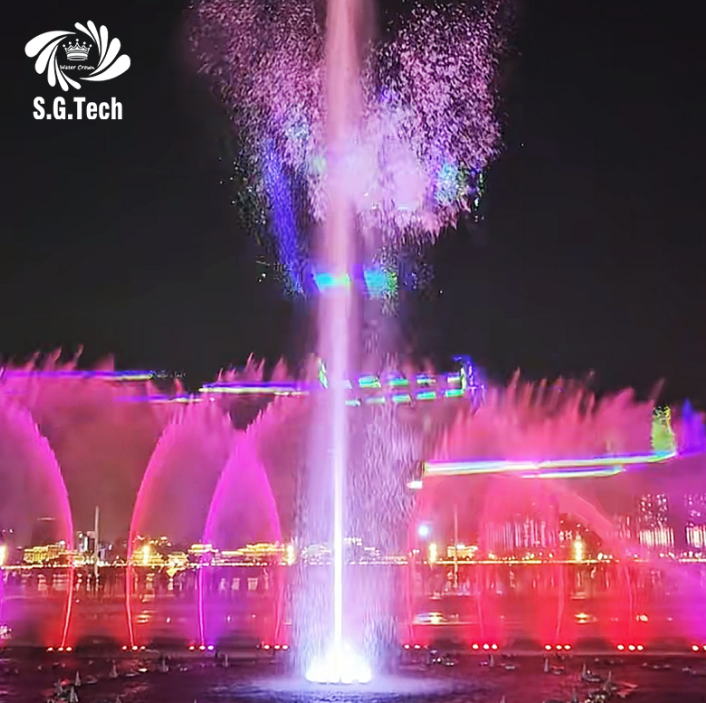
Custom Fountain as a Strategic Design Element
The Role of Custom Fountains in Modern Architectural Aesthetics
Custom fountains combine art with practical design, turning boring empty spaces into places people actually want to hang out. Water flows in these installations create interesting contrasts against buildings made from cold materials like steel and glass. According to some research looking at what's happening in city planning around 2024, about three quarters of architects are starting to include water elements in their designs. These water features help break up the harsh lines of modern architecture, adding something organic and dynamic to otherwise rigid structures.
Enhancing Property Value and Visual Impact with Bespoke Water Features
Strategically placed custom fountains significantly boost curb appeal and perceived luxury. Properties featuring bespoke water installations achieve up to 12% higher valuations, according to landscape architecture surveys. In commercial developments, these features can increase foot traffic by 18% by serving as visual anchors—a finding supported by mixed-use precinct case studies.
Creating Focal Points That Guide Spatial Perception and Movement
Water features have become pretty effective for helping people navigate big buildings these days. Take those tiered fountains often found in hotel lobbies they tend to point guests right where they need to go, usually toward the front desk area. Office buildings with long water walls along their plazas also work wonders at steering foot traffic without anyone even noticing it. The whole setup helps cut down on crowding problems and makes the overall experience better for visitors. Urban planners started incorporating this approach back around 2020, and now it's showing up in city designs all over the place from New York to Tokyo.
Elevating Residential and Commercial Spaces Through Intentional Design
Custom fountains can really transform spaces, whether it's those sleek infinity pools sitting atop buildings or eye-catching sculptures dominating corporate lobbies. Property developers have noticed something interesting lately - about 27 percent of tenants seem happier when there are water features that match what the building stands for. Think about how weathered bronze looks great next to old buildings while shiny granite works wonders at tech company headquarters. And let's not forget those cool interactive touches where lights flash in sync with water movement. These little details just make places feel more alive and connected to their surroundings.
Functional and Environmental Benefits of Custom Fountains
Promoting tranquility and reducing ambient noise with water soundscapes
Custom fountains generate natural white noise that masks disruptive urban sounds like traffic and machinery. Research shows they reduce perceived noise levels by 5—12 decibels (WHO 2021), creating zones of calm in high-density areas. This acoustic buffering effect enhances relaxation metrics in both commercial courtyards and residential gardens.
Improving air quality and regulating microclimates in urban environments
Fountains positioned thoughtfully around city spaces actually grab airborne particles and boost negative ion levels somewhere between 200 to 500 per cubic centimeter according to recent EPA findings. When we look at those hotspots known as urban heat islands, the simple act of water evaporating from fountains and other water displays can bring down nearby temps by roughly 2 to 4 degrees Fahrenheit. At the same time, these areas tend to stay about 15 to 20 percent moister than their surroundings, which helps greenery survive better on concrete-dominated streets. The latest fountain models come equipped with clever recycling tech too. These systems cut down on water usage anywhere from 60 to 80 percent, yet somehow still manage to create impressive visual displays that catch people's attention.
Engaging the senses: how water enhances human experience and well-being
The multisensory presence of water triggers measurable physiological benefits—reducing cortisol levels by 17—23%, increasing alpha brain waves by 12—18%, and improving mood retention (NIH 2022). Interactive elements create subconscious wayfinding cues through sound and reflection, while ADA-compliant designs such as tactile edges and illuminated flows ensure accessibility for all users.
Seamless Integration with Architectural and Landscape Vision
Custom fountains become powerful design assets when integrated into a project’s core vision rather than treated as afterthoughts. When aligned with structural intent and site ecology, they enhance both aesthetic continuity and functional performance.
Aligning Fountain Design with Structural Intent and Building Aesthetics
With parametric modeling, designers can align fountain sizes, water flows, and material choices to match the style of nearby buildings. Think of those glass walls where water flows down like a curtain matching the see-through walls behind them, or rough stone pools sitting right next to harsh concrete structures. When these elements work together, they create something visually harmonious that actually makes people feel connected to their environment instead of just passing through it. The whole space becomes more meaningful when all parts fit together naturally.
Strategic Placement for Maximum Aesthetic, Functional, and Experiential Impact
Positioning water features at key circulation nodes guides movement through public plazas, while still pools near seating areas encourage contemplative pauses. Urban design analyses show such placement reduces pedestrian congestion by 18% and increases dwell time in commercial spaces, enhancing both usability and engagement.
Integrating Water Features into Landscape Architecture for Cohesive Outdoor Spaces
Forward-thinking developments use aquatic elements to blur boundaries between built and natural environments. A 2024 biophilic design study demonstrated that native plantings adjacent to fountains enhance biodiversity and filter stormwater runoff. This synergy creates resilient ecosystems where water visually and functionally connects architecture with nature.
Balancing Sustainability and Water Usage in Urban and Large-Scale Developments
Modern recirculation systems paired with moisture sensors reduce water consumption by up to 95% compared to traditional designs. Permeable basins in municipal projects help recharge groundwater tables, ensuring fountains remain visually compelling even during drought conditions.
Unmatched Design Flexibility and Customization Options
Tailoring Size, Shape, Flow Dynamics, and Functionality to Project Needs
Fountain designers know how to get those water features just right for whatever space they're going into. A small 3 foot basin works great in front of little shops or courtyard spaces, whereas those big 6 foot waterfall walls really stand out in office buildings and hotel lobbies. The water flow isn't set in stone either it can go from gentle sheets that barely ripple the air at around 10 to 20 liters per minute all the way up to impressive curtain falls spilling over 200 liters a minute. And modern systems come with smart controls that learn when people actually use them throughout the day, so they adjust accordingly without wasting water or energy.
Material Selection: Stone, Metal, Glass, Concrete, and Fiberglass
Material choice ensures durability and aesthetic alignment. Durable stone withstands freeze-thaw cycles in colder climates, while marine-grade stainless steel resists corrosion in coastal settings. Translucent glass panels refract light dramatically when paired with submerged LEDs, and fiberglass composites allow complex curvilinear shapes at 40% less weight than concrete.
Innovative Styles: From Bubble Walls to Cascading Waterfalls and Still Reflecting Pools
Kinetic water sculptures have seen 23% adoption growth since 2021, combining laminar jets with dynamic lighting. Bubble walls add visual intrigue in contemporary lobbies, tiered granite waterfalls provide natural sound masking in open offices, and black granite reflecting pools create mirror-like surfaces that visually expand outdoor spaces.
Personalizing Water Features to Reflect Brand Identity or Architectural Style
Using parametric modeling, companies can now turn their logos into unique fountain spray patterns. Some studies suggest this technique boosts brand recognition by around 18% when placed in retail settings according to Aquatic Design Journal from last year. For color effects, special additives create striking shades such as deep cobalt blues or vibrant turquoises. Meanwhile, engraved medallions are becoming popular for restoring old fountains, blending traditional designs with modern branding elements. These touches help tell stories about both history and corporate identity all at once.
Table of Contents
- Custom Fountain as a Strategic Design Element
- Functional and Environmental Benefits of Custom Fountains
-
Seamless Integration with Architectural and Landscape Vision
- Aligning Fountain Design with Structural Intent and Building Aesthetics
- Strategic Placement for Maximum Aesthetic, Functional, and Experiential Impact
- Integrating Water Features into Landscape Architecture for Cohesive Outdoor Spaces
- Balancing Sustainability and Water Usage in Urban and Large-Scale Developments
-
Unmatched Design Flexibility and Customization Options
- Tailoring Size, Shape, Flow Dynamics, and Functionality to Project Needs
- Material Selection: Stone, Metal, Glass, Concrete, and Fiberglass
- Innovative Styles: From Bubble Walls to Cascading Waterfalls and Still Reflecting Pools
- Personalizing Water Features to Reflect Brand Identity or Architectural Style