
 EN
EN


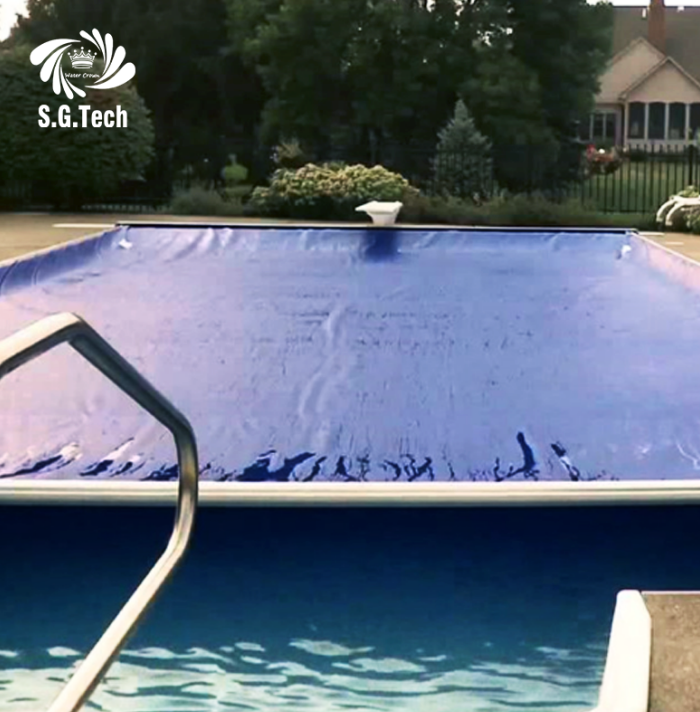
Why Swimming Pool Safety Covers Are Essential for Home and Public Pools
The Role of Swimming Pool Safety Covers in Preventing Accidents
For kids between 1 and 4 years old, drowning remains the top cause of accidental death according to CDC data which shows around 350 fatalities each year among this age group. Safety covers for swimming pools help cut down on this danger by creating a solid barrier that can actually hold about 5,000 pounds worth of weight, stopping little ones from falling in accidentally. These certified safety covers aren't your regular pool covers though. They're built to specific engineering requirements that make sure weight spreads evenly across the surface and includes anchors that are tough to mess with, so there's no space left where someone might slip through. The numbers back this up too. Studies have found that when pools have these safety covers installed, incidents involving unsupervised access drop dramatically by nearly 97% compared to pools without any cover at all.
ASTM F1346 Safety Standard Compliance and Liability Reduction
Safety pool covers that are certified need to meet standards set by ASTM F1346. These standards require thorough testing of several key factors including how well they resist tearing, stand up to UV exposure from sunlight, and handle weight without failing. The actual testing involves subjecting covers to pressure equivalent to around 485 pounds per square foot, then checking if they still hold together after being under constant stress for a full day. Following these guidelines does more than just keep people safe around pools. It actually helps cut down on legal risks for those who own properties with pools, especially important for places open to the public. When facilities don't follow these rules, their insurance costs can jump by as much as 40%, according to research from the National Safety Council back in 2023. Public spaces that stick with ASTM approved covers tend to see about three quarters fewer complaints about pool-related incidents when compared to those without proper certification.
Benefits of Swimming Pool Safety Covers for Families and Public Facilities
Safety covers do more than just prevent accidents around pools. They slash water evaporation by almost all of it, about 95%, while cutting down on chemicals needed by roughly two thirds. Plus they help retain heat better, which means lower bills for heating systems. Homeowners typically save over eight hundred dollars each year just on maintenance costs alone. Municipalities see their money back within four to seven years because operations become so much simpler. Take Arizona's public pools as proof. After switching to safety covers, staff spent 30 percent fewer hours during peak seasons fixing problems with water levels and chemicals. These covers serve two purposes at once safety protection and cost savings making them indispensable whether someone owns a backyard pool or manages a large community facility.
Types of Pool Covers: Balancing Safety, Functionality, and Automation
Knowing about the main kinds of pool covers really helps when picking the right one for your needs. Mesh type lets water go through but stops leaves and dirt from getting in, which works best during those months when the pool isn't used much. Then there's solid vinyl stuff that creates a real watertight barrier against algae and can actually hold quite a bit of weight too, meeting this ASTM standard for 5,000 pounds. Solar blankets keep pools warm at night because they cut down on heat loss somewhere between half to three quarters. When it comes to winter time, special covers protect pools during their long rest period. And if convenience matters most, automatic systems make opening and closing super easy with just a button press. These smart covers not only improve safety around the pool area but also save money on heating bills over time, cutting costs anywhere from 30% to maybe even half depending on usage.
Safety Covers vs. Non-Safety Covers: Key Differences
Safety covers that actually work are built to ASTM F1346 specs and come with those anchored straps that really lock them down for kids' protection. The cheaper stuff out there, like solar blankets or just plain old tarps, doesn't hold up under pressure and will definitely give way if someone climbs on them. Looking at data from last year's study comparing different pool cover options, the numbers show something pretty striking: safety certified covers cut down the risk of accidental drowning by around 95% when put against regular covers that haven't gone through proper testing. Of course, no statistic is ever 100% perfect, but these findings still point clearly toward safer choices for families with children near pools.
Manual vs Automatic Swimming Pool Safety Covers: Installation and Ease of Use
Manual pool covers definitely cost less at first glance, around 40 to 60 percent cheaper than automatic ones. But they do take some work to put on and take off every time. On the flip side, automatic systems come with a bigger price tag but save folks from having to mess with them day after day. These systems keep the cover in place consistently, which matters a lot when trying to stop water from evaporating. Did you know that evaporation actually takes away about 70% of all the water lost from pools? According to a study back in 2022, families who switched to automatic covers found themselves spending roughly eight fewer hours each month just maintaining their pool area compared to those still using manual covers. That's basically an extra weekend afternoon free every month!
Case Study: Effectiveness of Automatic Pool Covers in Residential Safety and Efficiency
A Phoenix-based community with 120 pools saw a 78% reduction in maintenance calls after switching to automatic covers. These systems also prevented 11 potential child access incidents annually, aligning with the National Drowning Prevention Alliance's recommendations for layered safety measures.
Key Takeaways:
- Safety covers must meet ASTM F1346 standards for liability protection.
- Automatic covers offer the highest safety ROI but require professional installation.
- Material choice directly impacts durability—polyethylene lasts 2–3x longer than PVC in UV-heavy climates.
Energy Efficiency and Heating Cost Savings with Pool Covers
How Pool Covers Improve Energy Efficiency and Retain Heat
Safety covers for pools work like insulation blankets, stopping heat from escaping through evaporation which accounts for around 70 percent of all energy wasted on maintaining pool temperatures according to the US Department of Energy report from last year. When these covers are in place over the water surface, most homeowners notice their pools stay about 8 to 10 degrees Fahrenheit warmer compared to when no cover is used at all. This means less need to run expensive heaters constantly. Some special solar covers take things even further by soaking up sun rays throughout daylight hours and transferring that warmth back into the pool water without needing any extra power sources whatsoever.
Energy Savings from Pool Covers: Insights from U.S. Department of Energy Studies
A 2022 DOE analysis found pool covers reduce heating costs by 50–70% annually. This stems from three key mechanisms:
- 60–70% reduction in nighttime heat loss
- 30–50% less solar heat dissipation during daylight
- 15–20% lower pumping energy due to stable water temperatures
These benefits are especially valuable in colder climates, where heating accounts for 85% of a pool's annual energy use.
Reducing Heating Costs by Up to 70% With Proper Cover Usage
Maximizing savings requires consistent use during non-swimming hours. Pools covered 12+ hours daily achieve 65% higher heat retention than those covered sporadically. Optimal results depend on usage patterns:
| Usage Pattern | Heat Retention | Annual Savings |
|---|---|---|
| 8-12 hours daily | 55-60% | $320-$480 |
| 12-16 hours daily | 65-75% | $540-$720 |
| 24/7 winter coverage | 85-90% | $900+ |
Industry data shows proper cover use slashes heating costs by 60–70% and extends swimming seasons by 6–8 weeks in temperate regions.
Water Conservation and Reduced Maintenance Through Effective Pool Cover Use
Cutting water loss by up to 95%: Evaporation control with pool covers
Swimming pool safety covers reduce evaporation by up to 95%, preserving thousands of liters annually—especially vital in drought-prone areas. By shielding the water surface from wind and sun, they maintain stable water levels. Automatic covers enhance conservation through reliable, hands-free deployment.
Debris protection and lower maintenance needs for longer pool lifespan
Safety covers also block leaves, dirt, and insects, reducing chemical demand by 25–30% and easing strain on filtration systems. Public facilities using high-quality covers report 40% fewer cleaning cycles, extending equipment life. For homeowners, this means lower maintenance costs and clearer water between uses.
Choosing the Best Pool Cover Based on Durability, Size, and Usage Needs
Evaluating Materials: Polypropylene, Polyethylene, Mesh, and Vinyl Durability
The choice of material really comes down to what kind of environment it will face and how it's going to be used day after day. For those seasonal backyard pools that get taken apart when winter hits, polypropylene is pretty flexible stuff. On the other hand, if someone needs something that can stand up to harsh chemicals or saltwater without breaking down, polyethylene tends to hold up better in these tough conditions. There's also this reinforced mesh option worth mentioning. It can actually support weights exceeding 16,000 pounds according to ASTM standards, which makes sense why many public facilities choose it since it lets water pass through while still handling heavy foot traffic. And let's not forget about vinyl either. Commercial quality vinyl products have been known to last well beyond 25 years, making them a solid investment for places where longevity matters most.
| Material | UV Resistance | Tear Strength | Best Application |
|---|---|---|---|
| Polypropylene | Moderate | 40-50 lb/ft² | Seasonal residential pools |
| Polyethylene | High | 55-65 lb/ft² | Saltwater/chlorinated pools |
| Reinforced Mesh | Extreme | 70+ lb/ft² | Public/high-traffic pools |
| Vinyl | Extreme | 80+ lb/ft² | Commercial installations |
UV Resistance, Tear Strength, and Weight-Bearing Capacity of Safety Covers
High-performance safety covers feature 98% UV-blocking layers and cross-stitched seams to resist tearing and limit debris penetration to less than 10%. Military-grade mesh variants withstand 450 PSI snow loads—essential in northern climates—while transmitting less than 5% light to inhibit algae growth.
Custom-Fit Swimming Pool Safety Covers for Unique Shapes and Sizes
When dealing with pools that have odd shapes or really long stretches like kidney shaped ones or anything over 40 feet, we need special covers made using computer design programs and anchors placed roughly every 18 inches through laser cutting techniques. Round pools bigger than 30 feet across typically need something called tensioned centrifugal designs so they don't droop down in the middle. Some top notch companies are actually starting to map out pool dimensions with 3D lidar technology these days, which gets the measurements right within about a quarter inch. This kind of precision cuts down on wind problems by around two thirds compared to regular off the shelf covers. The best part? These custom safety options work great with all sorts of modern pool features including those disappearing edges, sun shelves, and built in hot tubs, all while still meeting those important ASTM weight requirements for safety.
High-Usage Considerations: Residential vs. Public Pools and Long-Term ROI
Public pool covers must endure 200+ daily cycles and often include antimicrobial coatings, costing 2–3 times more than residential versions but lasting 15–20 years. A 2024 aquatics study found automated safety covers in municipal pools deliver a 7-year ROI, driven by 83% lower evaporation rates and 41% reduced staffing costs compared to manual systems.