
 EN
EN


Understanding the Custom Fountain Design Process
From Initial Consultation to Technical Blueprint
When designing custom fountains, we start with what we call the discovery phase, where what the client wants actually meets what engineers can realistically deliver. Our designers sit down with clients to figure out exactly what they need in terms of space requirements, looks they prefer, and how the fountain should function day to day. At the same time, we look at all the practical stuff about the location itself. Things like how steep the ground is, where water and electricity connections are located, whether the foundation can handle the weight, plus any special considerations such as earthquake risks or areas prone to severe storms. With standard 3D modeling tools, rough ideas turn into detailed plans showing everything from which pumps will be used and their sizes, how water flows through the system, materials that can withstand pressure changes, and even accounting for water loss due to evaporation over time. Usually around five to maybe eight big engineering issues pop up during this process. For instance, getting those fancy cascading water effects might require special variable speed pumps, or sometimes we need to strengthen the base if it's going to be exposed to strong winds. Each problem gets its own solution that follows building codes, and all these details end up in the final specs document.
Collaborative Revisions and Client-Centric Design Iteration
After setting down the basic technical plan, we get into those team meetings where everyone chips in to really shape out what the design will actually look like. Clients get hands on with things during these sessions, checking out different aspects through virtual tours and touching actual materials. They play around with how water moves across surfaces - whether it's smooth streams or bubbly sprays - experiment with lighting that ranges from cozy warm tones at 2700K all the way up to bright daylight at 6500K, and listen to various sounds from soft trickles right through to custom white noise settings. As we go through each round of changes, we balance what people want against practical considerations. Sometimes this means swapping out expensive natural stone for something like textured concrete if either longevity or money becomes an issue. The whole process works back and forth between creativity and what actually functions well in practice. Most projects end up going through about three to five major tweaks before everything clicks into place just right.
Key Custom Fountain Customization Options
Material Selection: Balancing Aesthetics, Durability, and Environment
What materials we pick really affects how long things last, what kind of upkeep they need, and their overall impact on the planet. Take granite for example it looks absolutely classic and elegant but needs regular sealing if installed somewhere that freezes and thaws regularly. Then there's architectural grade stainless steel which stands up remarkably well against rust, making it super important for areas near saltwater or places with lots of road salt. Recycled glass composites are another option these days, offering some pretty cool designs while actually cutting down on carbon emissions. According to the latest report from Sustainable Landscapes in 2023, using these composite materials instead of brand new ones can slash embodied carbon by around 40%, which is quite impressive when considering all the environmental costs involved in manufacturing fresh materials.
| Material Attribute | Aesthetic Impact | Durability Factor | Environmental Consideration |
|---|---|---|---|
| Natural Stone | High (classic) | Moderate (weather-dependent) | Medium (quarrying impact) |
| Stainless Steel | Medium (modern) | High (corrosion-resistant) | High (100% recyclable) |
| Recycled Composites | Variable (innovative) | High (UV-stable) | Highest (diverts waste from landfills) |
For safety and hygiene, prioritize non-porous, slip-resistant surfaces (R10 rating) in high-traffic or wet zones—and always verify material compatibility with local climate conditions.
Integrated Lighting, Sound, and Water Flow Features
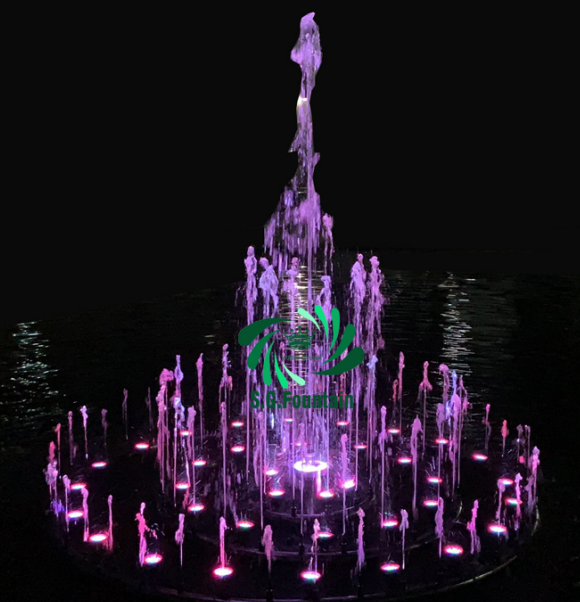
Today's modern fountain designs incorporate all sorts of integrated technology to create these amazing multi-sensory experiences for people. The tunable RGB LED lights really make water features stand out at night, turning them into recognizable brand markers. These lights come in IP68 rated submersible versions which means they last much longer without getting damaged by water. When it comes to programming, these systems allow for synchronized light shows that match music tracks. Some studies suggest this kind of feature actually makes visitors stay around 30% longer in commercial areas according to research from the Wellness Design Institute back in 2023. Variable flow pumps let operators change the water display on the fly from those calm, flat sheets of water to dramatic vertical sprays reaching high into the air. The engineers behind these systems have also worked on reducing splash noise using special flow geometries. They adjust the flow rates based on surrounding sounds, aiming for about 60 to 70 decibels. This helps cover up city noises without making things too loud for nearby buildings or public spaces.
Site-Specific Considerations for Custom Fountain Installation
Getting installations right starts with doing a thorough site assessment. This isn't just about how things look when they go in but makes all the difference for how well they perform over time and whether they stay safe. There are several important things to check first. The space itself matters a lot along with what kind of soil is present there. We also need to know about sunlight exposure throughout the day, wind direction, local rainfall amounts, and where utility connections can be made. For places that get cold winters, proper frost protection and good drainage plans become absolutely essential. A recent study by the Ponemon Institute back in 2023 showed just how costly mistakes can be during winter months. They found that outdoor water features failing due to poor winter preparation ended up costing around $740k in unnecessary damage repairs on average. When running electrical wiring and water pipes, we have to make sure everything supports the pumps, lights, and filters properly while still meeting safety standards and building codes across the board.
The environment plays a big role in choosing materials and building structures. For instance, buildings near the coast need special alloys that can withstand saltwater corrosion. Public spaces with lots of foot traffic work best with strong concrete foundations. And areas exposed to intense sunlight require coatings or sealants that won't degrade under UV exposure. Local rules and city regulations often impose limits on how tall something can be built, how much water it uses, noise levels allowed, and distance requirements from neighboring properties. This means getting proper approvals before starting construction is absolutely necessary. Doing proper soil tests and checking all the regulations at the beginning saves money later on by avoiding expensive changes down the road. It also helps create buildings that fit well within their surroundings architecturally.
| Site Factor | Impact on Installation | Solution Example |
|---|---|---|
| Soil Stability | Foundation integrity | Geotechnical reinforcement |
| Sun Exposure | Material degradation | UV-resistant sealants |
| Water Source Proximity | Pump efficiency | Submersible pipeline routing |
| Regulatory Codes | Legal compliance | Pre-approval documentation |
Aligning Custom Fountain Purpose with Business or Spatial Goals
Custom fountains aren't just pretty things to look at; they actually help organizations reach real business goals. Take corporate plazas for instance. Sculptural water displays there become sort of like logos that people remember, helping reinforce what the company stands for through unique shapes, clever text integration, or even interactive elements that respond when someone walks by. When it comes to places focused on well-being like spas, hospitals, and retirement homes, moving water can cut down stress levels by about 30% according to research from the Wellness Design Institute last year. The gentle sounds and flowing visuals work together to create calming effects that support healing processes. Open office spaces and busy transportation centers benefit too. Installing fountains around specific areas helps block out annoying background noises without needing walls or partitions, making those spaces more comfortable and easier to concentrate in. The numbers speak for themselves across different settings. Stores see visitors hanging around 22% longer when there's a nice fountain nearby. Workers show better concentration and productivity. And in medical facilities, both patients and staff tend to be happier overall.
| Purpose | Key Benefit | Implementation Example |
|---|---|---|
| Brand Identity | Visual landmark reinforcing values | Logo-integrated water displays |
| Wellness Enhancement | Stress reduction through hydrotherapy | Meditative courtyard features |
| Acoustic Zoning | Noise masking in busy areas | Perimeter flow installations |
FAQ
What is involved in the initial consultation for a custom fountain?
The initial consultation involves understanding the client's space requirements, preferred aesthetics, and functional needs. We also assess the site's specific conditions like ground slope, water and electricity availability, and potential environmental risks.
How do you integrate technology into modern fountain designs?
Modern fountains use tunable RGB LED lights for exceptional visual effects, synchronized with music tracks. Our designs include advanced variable flow pumps and techniques to minimize splash noise, ensuring a multi-sensory experience.
Why is material selection crucial for custom fountains?
Material choice affects the fountain's durability, maintenance needs, and environmental impact. We consider factors like aesthetic appeal, resistance to elements, and sustainability when selecting materials such as natural stone, stainless steel, or recycled composites.
What site-specific factors impact fountain installation?
Factors like soil stability, sun exposure, and proximity to water sources are critical to ensuring robust structure and efficiency. Compliance with regulatory codes and understanding local climate conditions are also key considerations.