
 EN
EN


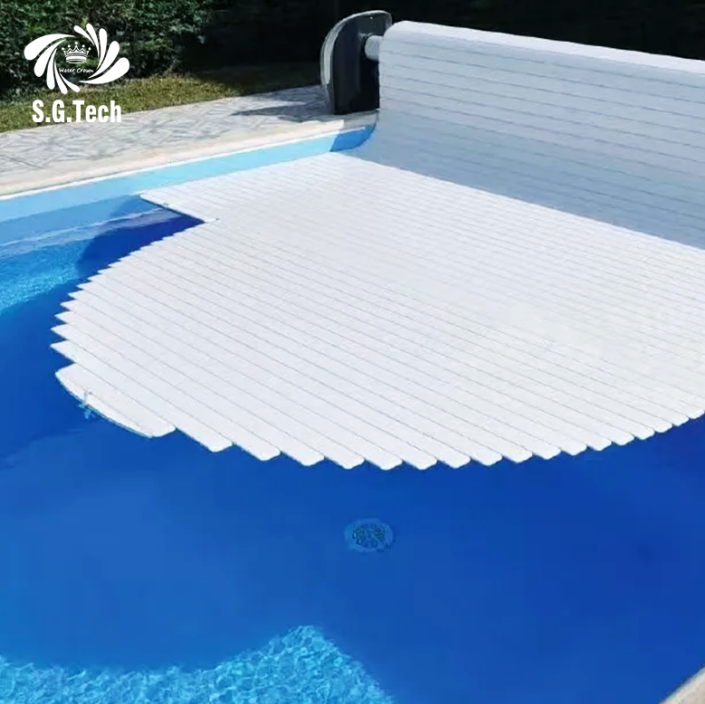
ASTM F1346-91 Compliance: The Non-Negotiable Benchmark for Swimming Pool Safety Covers
Why ASTM Certification Is the Only Valid Measure of True Safety
ASTM F1346-91 stands out as the only American standard created specifically to check if swimming pool safety covers can actually stop someone from accidentally drowning. That makes it pretty much the gold standard when it comes to proving these covers work in saving lives. For a cover to get certified, it has to go through four main tests. First they test how much weight the cover can hold before breaking. Then they look at how much the edges bend under pressure. Surface drainage matters too because water needs to run off properly. And finally there's the labeling requirements so people know what they're getting. What sets ASTM apart from regular manufacturer testing is that independent labs do all the checking following strict guidelines nobody can really argue with. The whole point is making sure the materials used, how things are built, and the engineering behind them can handle actual dangers around pools rather than just looking good on paper.
Key Load Requirements: 485 lbs Distributed & 1,000 lbs Point Load Explained
Covers that meet ASTM standards need to hold up under pretty serious weight tests. They should be able to support around 485 pounds spread out over their surface area, which basically equals what two grownups and a kid might weigh if they stood on top of them at once. Plus, these covers have to withstand a concentrated load of 1,000 pounds somewhere specific, kind of like when something heavy falls straight down onto them or someone lands suddenly. The edges can't sag more than four inches either because otherwise there might be spaces big enough for a small child's head or arm to get stuck. Testing also makes sure water runs off properly so puddles don't form anywhere dangerous. All these specs together mean that just looking strong isn't good enough anymore. Products that seem sturdy at first glance often fall apart when put through actual real world situations where things aren't always perfect.
Real-World Impact: CPSC Data Confirms 78% Reduction in Child Drownings
The U.S. Consumer Product Safety Commission reports that swimming pools equipped with ASTM F1346-91 certified covers experienced about 78 percent fewer child drownings last year compared to those without certification. Such a big drop shows why features like proper weight distribution, controlled gaps between cover sections, and effective water drainage matter so much for preventing kids from getting submerged. Look at states where these standards are built into local regulations - places like California, New York, and Florida have seen drowning rates fall by around two thirds below what's typical nationwide according to National Safety Council data from 2022. Getting that certification isn't just paperwork to check off before opening day. It represents real safety improvements backed by years of studying accidents and testing materials through rigorous engineering processes.
Mesh vs Solid Vinyl Swimming Pool Safety Covers: Matching Material to Climate and Use Case
Drainage, Debris, and UV Resistance: Functional Trade-Offs Defined
Mesh covers let water drain naturally since rain goes right through them, so there's no standing water sitting around and we don't need to run pumps as much. But here's the catch with these mesh ones: because they have gaps in the weave, stuff like pollen, dust particles, and bits of leaves can actually get into the pool. That means extra work when it comes time for spring cleaning. These covers will block somewhere between 70 to maybe 90 percent of sunlight, which slows down algae growth somewhat but doesn't stop it completely. Solid vinyl covers tell a different story altogether. They create a full seal against everything from dirt to bugs blowing in on the wind, plus they keep out all UV rays that would otherwise feed algae growth. The downside is that water can't just pass through these covers, so we need to actively manage the water level, often relying on submersible pumps particularly after big storms. For folks living in dry areas, solid covers are a game changer though. They cut evaporation rates by nearly 95 percent, helping maintain both water levels and chemical balances while also saving on heating costs over time.
Snow Load Performance and Winter Durability by Region
Mesh covers work really well in places where there's a lot of snow, such as Minnesota and Vermont, since the snow tends to melt right through the material and drain away, which stops those dangerous piles from forming on top. Tests have shown these mesh covers can handle around 40 pounds per square foot or more, which matches what most areas need for snow loads anyway. The problem comes when using solid vinyl covers because they hold onto melted snowwater that then freezes again into big ice sheets. This puts extra strain on the anchors and weak spots in the cover over time. Down by the coast or further south, people usually go for solid covers instead because they stand up better against strong winds and keep all sorts of debris out completely. If someone lives somewhere with mixed weather conditions like parts of the Midwest, reinforced hybrid mesh might be the best bet since it offers good strength while still letting water escape properly. Just remember to check what local building codes say about snow load requirements for covers. Mountain areas typically need covers that can take about 50 percent more weight compared to what's needed in flat coastal regions.
Automatic vs Manual Swimming Pool Safety Covers: Evaluating Usability, Cost, and Long-Term Value
Smart Integration and Daily Convenience: Who Benefits Most?
Automatic motorized pool covers can be opened and closed either by pressing a button or through smart home connections, making them much easier to use regularly. For families with little kids, older adults, or people who have trouble moving around, this matters a lot since trying to operate them manually usually means they just skip covering the pool altogether. Studies indicate that automatic systems get used about 89 percent more each day compared to when someone has to do it by hand, which obviously makes pools safer overall. Plus, being able to activate these covers remotely lets homeowners react fast when storms roll in unexpectedly, keeping everyone protected without needing anyone at the poolside during bad weather.
ROI Breakdown: How Energy Savings Achieve Payback in Under 4 Years
Automatic covers deliver quantifiable financial returns through three primary energy-saving mechanisms:
- Heat retention: Reduce heating costs by 50–70% by minimizing overnight thermal loss
- Evaporation control: Cut water refills and chemical rebalancing by 30–50%
- Debris prevention: Lower filtration runtime by 3–5 hours per day, extending equipment life
| Cost Factor | Automatic Cover | Manual Cover |
|---|---|---|
| Initial Investment | $8,000–$15,000 | $3,000–$6,000 |
| Annual Savings | $1,200–$2,500 | $400–$900 |
| Payback Period | 3.2 years (avg) | N/A (lower savings) |
For year-round pool users, cumulative utility and maintenance savings achieve full return on investment within four years—making automation both a safety upgrade and a sound long-term financial decision.
FAQ
What does ASTM F1346-91 compliance entail for pool safety covers?
ASTM F1346-91 compliance requires pool covers to pass tests for weight capacity, edge resistance, surface drainage, and appropriate labeling. The covers must be independently verified to ensure they can prevent accidental drownings.
Are mesh or solid vinyl pool covers better for areas with snow?
Mesh covers are better for snowy areas because they let snow melt and drain through, preventing ice sheet formation. Solid vinyl covers may hold water, leading to ice buildup, which could damage the cover over time.
What are the energy savings associated with automatic pool covers?
Automatic pool covers can save on energy by retaining heat, controlling evaporation, and reducing filtration runtime. These savings contribute to a quicker return on investment.