
 EN
EN



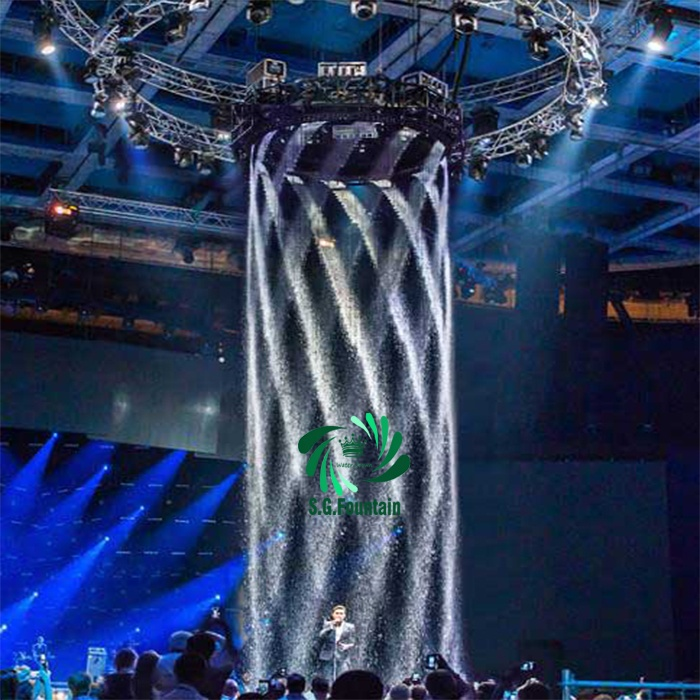
The Shift from Outdoor Luxury to Indoor Statement Piece
Wall fountains have been around for centuries, but their role has shifted dramatically. What was once reserved for palace courtyards and villa gardens is now showing up in corporate lobbies, hotel atriums, restaurant dining rooms, and high-end residential entryways. The driving force isn't just aesthetics—it's the recognition that water features in interior spaces deliver measurable benefits beyond visual appeal.
Custom wall fountains are fundamentally different from their freestanding cousins. They don't consume valuable floor space. They integrate with existing wall surfaces rather than competing for square footage. And because they're mounted vertically, they create a visual impact that draws the eye upward—a psychological trick that makes spaces feel larger and more open.
The Hospitality Industry's Quiet Adoption
Hospitality designers have been the early adopters here. Hotel lobbies, in particular, have embraced custom wall fountains as a way to differentiate their properties in a crowded market. A well-designed wall fountain in a lobby entrance creates an immediate sensory impression—the sound of water, the play of light on a moving surface, the subtle shift in humidity and air quality.
One installation pattern that's gained traction is the integration of wall fountains with brand identity. A fountain can be designed to echo a brand's color palette through LED lighting, or its flow pattern can mimic a logo's curvature. For corporate campuses, minimalist designs with color-changing LEDs have become particularly popular—they convey modernity without being flashy.
The Indoor Microclimate Effect That Nobody Talks About
Here's where the conversation gets interesting. A custom wall fountain isn't just a visual element—it's an environmental modifier. Running water releases negative ions into the surrounding air. Studies have found that negative ions naturally formed by moving water can improve energy levels, mood, and relieve symptoms of depression and anger.
The humidification effect is equally significant. Indoor environments, especially those with HVAC systems, tend to have low relative humidity—often dropping below 30% in winter. A wall fountain can raise localized humidity by several percentage points, which benefits everything from indoor plants to human respiratory health. In a 2023 study on indoor green walls combined with water features, researchers found that the addition of a waterfall element significantly improved temperature and humidity regulation compared to green walls alone.
| Interior Environment Factor | Without Wall Fountain | With Wall Fountain | Typical Improvement |
|---|---|---|---|
| Local relative humidity (winter) | 25-30% | 35-45% | +10-15% |
| Negative ion concentration | Low | Elevated | Significant |
| Ambient noise level | Variable | Masked by water sound | Perceived reduction |
| Visitor dwell time in lobby | Baseline | Extended | +20-40% |
Material Selection: More Than Just Looks
The materials used in a custom wall fountain determine not just its appearance but its longevity and maintenance requirements. Stainless steel dominates the commercial segment because it resists corrosion and doesn't leach minerals into the water. Natural stone—marble, granite, slate—remains popular for high-end residential and hospitality applications, but requires periodic sealing to prevent water staining.
One emerging trend is the use of materials that serve dual purposes. A sculptural fountain might hide its filtration system within the base. A wall-mounted fountain can incorporate drainage channels that double as decorative elements. This integration of form and function is what separates custom wall fountains from off-the-shelf products.
A Restaurant Case Study from Indonesia
A 2018 study examined the thermal effectiveness of an indoor wall fountain in a restaurant dining room in Surakarta, Indonesia. The research focused on how evaporative cooling from the fountain affected occupant thermal comfort in a warm, humid climate. The findings confirmed that wall fountains can meaningfully influence local environmental conditions, not just through visual appeal but through actual temperature and humidity modulation.
The restaurant installation wasn't a high-tech digital display—it was a relatively simple wall fountain. But the study's conclusion has broader implications: even basic wall fountains deliver environmental benefits that justify their installation cost. For custom installations with higher flow rates and more sophisticated design, those benefits scale accordingly.
The Cost Factor and Realistic Expectations
Custom wall fountains are not inexpensive. A commercial-grade installation with custom materials, integrated lighting, and recirculation systems typically runs into five figures. But the ROI calculation for commercial spaces is different from residential. A fountain in a hotel lobby or corporate reception area contributes to first impressions, which directly influence customer acquisition and retention.
For residential applications, the value is more subjective but equally real. A well-designed wall fountain in an entryway or living room creates a focal point that elevates the entire space. It's a conversation starter, a stress reducer, and a design element that signals attention to detail.
One limitation worth acknowledging: wall fountains require access to water supply and drainage, plus electrical power for pumps and lighting. Retrofitting a wall fountain into an existing space can be challenging—it's easier to plan for one during new construction or major renovation. And while recirculation systems minimize water consumption, they do require periodic maintenance—filter cleaning, pump checks, and occasional water treatment.
What Customization Actually Means
Custom wall fountains are genuinely custom. Manufacturers work from client specifications, incorporating unique shapes, materials, and water flow patterns. The process typically involves 3D modeling to verify structural integrity and visual effect before fabrication begins.
A hotel installation might include local sculptural elements. A corporate campus might opt for a minimalist design with integrated branding. A residential project might combine natural stone with LED backlighting for a serene effect. The common thread is that each installation is designed for its specific context—not adapted from a catalog.
For architects, interior designers, and property owners considering a custom wall fountain, manufacturers like Water Crown provide the engineering expertise and production capability to turn design concepts into functional, lasting installations.
Table of Contents
- The Shift from Outdoor Luxury to Indoor Statement Piece
- The Hospitality Industry's Quiet Adoption
- The Indoor Microclimate Effect That Nobody Talks About
- Material Selection: More Than Just Looks
- A Restaurant Case Study from Indonesia
- The Cost Factor and Realistic Expectations
- What Customization Actually Means