
 EN
EN



More Than Just Water Spraying Into the Air
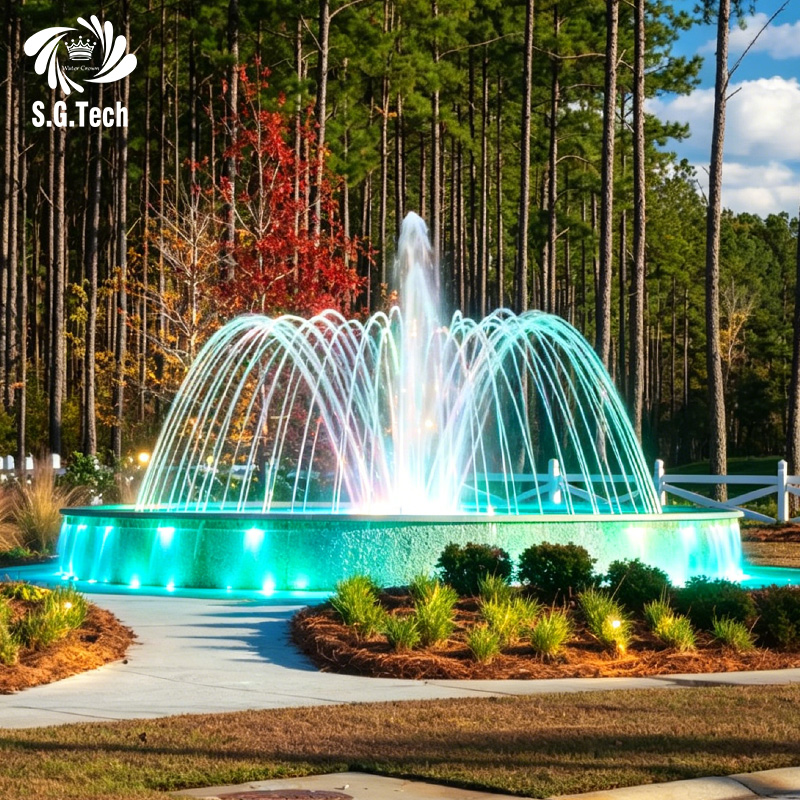
Walk through any major city plaza, and chances are there is a water feature somewhere. But there is a difference between a fountain that simply recirculates water and one that actively shapes the experience of the space. Water dancing fountains—programmable systems that choreograph water jets, lighting, and sometimes music into synchronized performances—have shifted from novelty attractions to standard features in urban placemaking. The reason is straightforward: static fountains are nice to look at. Dynamic ones make people stop, stay, and come back.
The Technical Backbone of a Dancing Fountain
A dancing fountain is essentially a real-time control system managing multiple variables simultaneously. Each nozzle has its own valve and pump, or in some configurations, a shared pumping system with individual flow controls. The control platform—often PLC-based or using dedicated fountain controllers—translates a pre-programmed sequence into precise actuation commands. Water height, angle, oscillation speed, and pattern timing are all adjustable down to fractions of a second. LED lighting, typically RGB or RGBW, adds another layer of coordination; color changes can be synced to water movement or to an external audio input. The result is not random splashing but a choreographed performance that repeats reliably, show after show.
What the Data Says About Foot Traffic
Fountains are not just aesthetic investments—they are economic ones. A commercial plaza project in Vietnam installed a dry-floor dancing fountain as the centerpiece of a retail complex. The fountain sits flush with the pavement when off and rises into a choreographed water performance when active. After opening, foot traffic increased measurably, and local residents began referring to the space as the city's new living room. Another project in China—a 30-meter-long dancing fountain with hourly shows synced to pop music and local cultural songs—helped reverse a decline in visitor numbers at a large urban commercial complex. These are not one-off results. Plazas with dynamic water features consistently outperform those with static fountains in dwell time and return visitation.
| Space Type | Static Fountain | Dancing Fountain |
|---|---|---|
| Average Dwell Time | 3–5 minutes | 8–15 minutes |
| Photo/Video Sharing | Moderate | High |
| Repeat Visitation | Low | Moderate to High |
| All-Weather Usability | Limited | Configurable |
The Dry-Floor Innovation That Changed the Game
Traditional fountains require a basin or a pool. That means water is always present, which creates liability, maintenance overhead, and space-use limitations. Dry-floor fountains—where all the hardware sits below grade and the surface is level with the surrounding pavement when inactive—solve all three problems. When the fountain is off, the space becomes a regular plaza for events, markets, or pedestrian flow. When it is on, the water jets rise from flush-mounted nozzles, and the performance begins. This dual-use capability is why dry-floor dancing fountains have become the default choice for high-traffic commercial and municipal spaces.
A project at a central commercial plaza in China used this approach to activate an underperforming outdoor atrium. The system was designed with multiple interactive modes: timed performances during peak hours, motion-activated sequences that responded to foot traffic, and special-event programming for holidays. The flexibility meant the space could shift from a quiet daytime pedestrian route to a lively evening attraction without any physical reconfiguration.
The Safety Layer That Makes Interaction Possible
Public fountains invite interaction—children run through them, people sit on the edges, pets get curious. That proximity creates safety requirements that traditional fountains were never designed to meet. Modern dancing fountains address this through low-voltage systems and pressure management. A project in Beijing's Wangfujing district incorporated isolated stabilized DC power supplies that physically separate high-voltage and low-voltage zones, ensuring that even in extreme conditions—cable damage, component aging, water intrusion—the water itself remains non-energized. The system also limits outlet dynamic pressure to a controlled level, preventing high-pressure water jets from causing injury during close interaction. These are not afterthoughts. They are engineered into the system from the start.
Where Dancing Fountains Fall Short
For all their benefits, dancing fountains are not right for every setting. They require significant upfront investment in hardware, control systems, and installation. Maintenance is more involved than a static fountain—pumps, valves, nozzles, and LEDs all need regular inspection and replacement. Programming the shows takes specialized skills; while many systems come with pre-loaded sequences, custom choreography requires time and expertise. And in colder climates, the system must be winterized or drained to prevent freeze damage, which can limit the operational season. These are practical constraints, not design flaws, but they matter for any procurement decision.
The Manufacturing Ecosystem Behind the Performance
A dancing fountain is only as reliable as its component supply chain. Pumps must deliver consistent flow under variable demand. Valves need precise actuation over thousands of cycles. LEDs have to survive constant submersion and thermal cycling. Guangdong Water Crown Environmental Technology produces both pool equipment and musical fountain systems, with a production capacity that supports large-scale commercial installations. That dual focus—water treatment and water features—gives the manufacturer a perspective on the full lifecycle of public water systems, from the pump room to the performance surface. For project developers, that integration matters more than the individual component specs.
Table of Contents
- More Than Just Water Spraying Into the Air
- The Technical Backbone of a Dancing Fountain
- What the Data Says About Foot Traffic
- The Dry-Floor Innovation That Changed the Game
- The Safety Layer That Makes Interaction Possible
- Where Dancing Fountains Fall Short
- The Manufacturing Ecosystem Behind the Performance