
 EN
EN


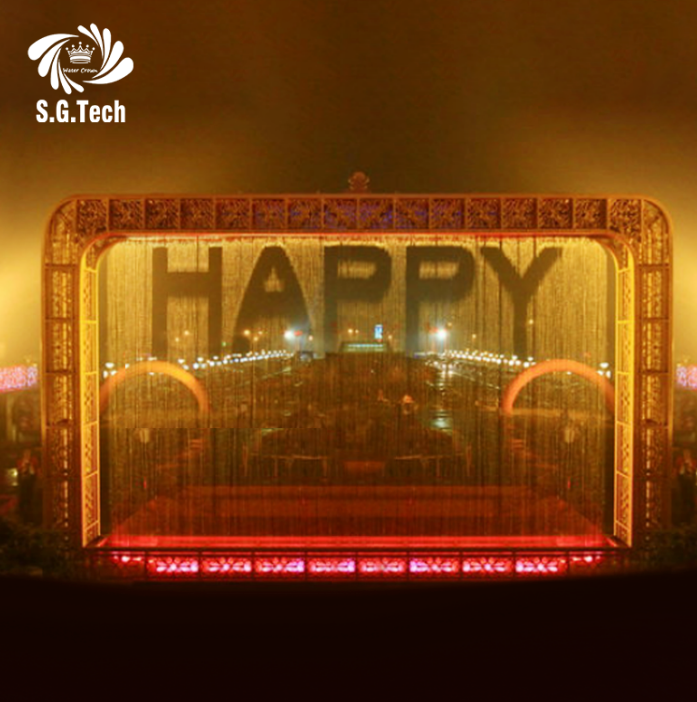
Design Flexibility and Customization in Modern Water Curtain Walls
Understanding Water Curtain Walls in Contemporary Architecture
Water curtain walls today blend artistry with solid engineering, turning boring building fronts into living architecture that changes with the day. The systems work by directing water flow in specific ways that produce those amazing shimmering looks we see, plus they actually help improve the tiny climate around them. According to some research from last year looking at what's hot in city planning, nearly seven out of ten architects are starting to care more about creating spaces that engage multiple senses when designing commercial buildings. This has definitely pushed up interest in custom water features for buildings. Designers now rely heavily on these fancy parametric models to predict how water will behave before construction even starts. While these tools do a great job simulating water movement, getting everything right still takes plenty of on-site adjustments once the walls are installed next to actual buildings and their surrounding environments.
Custom Curtain Design: Adapting to Structural and Aesthetic Needs
When it comes to water curtains, customization is key because these installations need to handle both the practical side of things and look good at the same time. For buildings in places where the wind gets really strong, engineers tend to make those water droplets smaller so everything stays stable. Hotels and restaurants meanwhile love adding LED lights into their water features to create some nice atmosphere. The stuff they build these out of matters too corrosion proof metals work great in coastal areas, while plastic parts can be recycled later on. All this means custom water walls are becoming pretty popular among developers who want their projects to stand out visually while still being able to withstand whatever weather comes their way.
Innovative Engineering Techniques for Seamless Integration
| Design Challenge | Traditional Solution | Modern Technique |
|---|---|---|
| Water Flow Control | Manual Valve Adjustments | AI-Powered Predictive Systems |
| Structural Load | Reinforced Concrete Bases | Lightweight Composite Frames |
| Energy Efficiency | High-Pressure Pumps | Solar-Powered Recirculation |
These advancements cut installation costs by up to 40% compared to older methods and allow real-time adaptation to variables like humidity and foot traffic.
Case Study: Custom Water Curtain in a Mixed-Use Urban Complex
Singapore's latest high rise has something pretty cool going on with these custom water curtains that are changing how we think about building design. The 14 meter installation does a couple important things at once. First it actually brings down the temperature around the plaza area by about 3 degrees Celsius according to those thermal images from 2024. And second, during busy shopping times, it shows off brand messages through special nozzles built right into the system. The engineering team used some fancy computer modeling stuff called computational fluid dynamics to make sure they weren't wasting water. They managed to cut water consumption by 22 percent compared to what's normally expected in the area, which is impressive when you consider how good looking the whole thing still is. This kind of project proves that big water features can work even in crowded city spaces where space is at a premium.
Aesthetic Impact of Custom Water Curtains on Urban Landscapes
Enhancing Visual Appeal Through Dynamic Water Features
Water curtain walls transform cityscapes with their flowing patterns and play of light, acting as eye-catching features that break up harsh building edges. The falling water brings life and dimension to otherwise flat surfaces, making shopping centers and office buildings far more inviting places to spend time. A recent look at urban design preferences from 2023 found that nearly four out of five people associate these water displays with improved looks for public spaces. What makes them so special? They never stay the same long enough to get boring. Some days they might just trickle down slowly like thin curtains, other times they dance in synchronized bursts across entire building fronts, keeping things fresh throughout all seasons.
Creating Atmospheric Environments With Flowing Water Elements
These systems do much more than just look good they actually create full sensory experiences too. When water falls, it covers up city sounds pretty well, making places feel about 15 decibels quieter according to some research from the Acoustic Design Journal back in 2022. Come nighttime, those LED lights on fabric create glowing borders that turn regular transit areas into something special for people passing through. And there's another trick these systems pull off during hot days. The mist created by moving air cools down courtyard spaces between 3 and 5 degrees Celsius. This means not only does the environment feel better, but buildings also perform more efficiently when it comes to climate control.
Water Curtains as Signature Elements Shaping Architectural Identity
More developers are turning to custom water curtains these days as part of their branding strategy. Think of them as liquid logos that somehow get woven into the cityscape itself. Take for instance the massive 27 meter tall colorful water screen at Shanghai Harbour Plaza. It syncs up with the building lights and has really taken off as an icon. Visitors snap pictures of it all the time, about 63 percent of their social media posts actually feature this water display according to recent surveys. These kinds of installations show something interesting happening in our cities. What started as just pretty water features is now transforming into actual cultural touchpoints. They're changing what we expect from skylines, creating these moving liquid structures that blend art with engineering in ways we haven't seen before.
Functional Advantages of Custom Water Curtain Systems
Thermal Regulation and Microclimate Control in Built Environments
Water curtains custom made for specific spaces work pretty well as passive cooling solutions through simple evaporation processes. When water flows down surfaces, it actually soaks up heat from the surrounding area, which can bring down nearby temperatures somewhere between 3 to 5 degrees Celsius based on what various environmental reports have shown. For businesses looking at their bottom line, this means big savings potential too. Some studies indicate that commercial properties using these systems might see around an 18 to 22 percent drop in air conditioning costs during those sweltering summer months, as noted in the Building Climate Solutions report from last year. The newer models come packed with all sorts of tech features like flow meters and temperature monitoring devices. These smart systems adjust themselves automatically when conditions outside change, keeping things comfortable inside without letting humidity levels creep above 60% relative humidity, which is generally considered acceptable for most office environments.
Air Purification and Noise Reduction Benefits of Water Walls
Water flowing continuously through these systems actually grabs hold of tiny particles floating in the air like PM2.5 stuff and pollen grains, which makes the indoor air inside buildings about 35 to 40 percent cleaner than what we normally get with regular ventilation according to some research published last year in the Indoor Environment Journal. At the same time, when water drops down, it creates this nice background sound similar to rainfall, which can mask other noises by roughly 7 to 12 decibels. That's pretty helpful for places like city office buildings or stores where normal background sounds often hover between 65 and 75 decibels. What really stands out is how these water features aren't just decorative anymore they serve real environmental purposes now, making them essential components in modern building design rather than just something pretty to look at.
Structural Curtain Wall Market Analysis 2025 confirms these benefits are accelerating adoption in LEED-certified developments pursuing sustainability credits.
Integration of Custom Water Curtains in Commercial and Experiential Architecture
Deploying Water Features in Retail, Hospitality, and Public Spaces
We're seeing custom curtain systems popping up all over commercial buildings these days, transforming ordinary spaces into something special. Retail stores especially love using them at their entrances where they serve as sort of sensory guides for customers walking in. These systems actually cut down background noise quite a bit too, around 15 to 20 decibels according to research from the Acoustical Society of America back in 2022. For luxury hotels, the numbers speak volumes. A recent hospitality industry survey found guests felt about 23 percent better about the atmosphere when there were those beautiful water wall installations. And let's not forget public plazas either. Many cities install these systems mainly for temperature regulation purposes. Some places have reported cooling effects of roughly 4 to 6 degrees Celsius during those sweltering summer months.
Dynamic Water Flows Enhancing Customer Experience and Engagement
Stores with motion responsive designs are creating new ways for customers to interact with brand stories. When water droplets hit LED lights at just the right moment, they create amazing visual effects that match holiday seasons or special sales events. Some research suggests people tend to stay longer in these kinds of spaces, maybe around 40% more than regular static displays though exact numbers vary from place to place. Airports have started using similar water screen technology too. These installations do two things at once showing passengers their flight status while also controlling the air moisture content in those often dry terminal environments, keeping it comfortable between roughly 45 and 55 percent relative humidity.
Trend Analysis: The Rise of Experiential Design Using Custom Curtains
Worldwide sales of experiential water features jumped nearly 19 percent last year according to market data, mainly because people want more engaging public areas that stimulate multiple senses at once. The latest Commercial Design Report from 2024 shows something interesting too: almost seven out of ten architects are now asking for buildings with integrated water elements when working on city renewal projects. We're seeing these hybrid setups that mix mist effects with changing lights become popular choices for budget conscious developers. They actually consume around 30% less water than traditional installations but still manage to create impressive visuals that catch attention just as well.
Merging Custom Water Curtains with Digital and Interactive Technologies
Architects are integrating custom curtain systems with digital technologies to create responsive, immersive environments. By pairing smart controls with flowing water, designers transform passive features into interactive experiences that react to users and environmental inputs.
Projection Mapping and LED Integration on Water Curtain Surfaces
Water curtains can now show all sorts of amazing things thanks to high res projection mapping paired with those fancy LED setups. The latest Water Feature Tech report from 2024 actually showed something pretty interesting - when lights and water move together in sync, people tend to stick around about 41% longer at commercial locations. Pretty cool stat if you ask me. These DMX controllers basically act as the brains behind the operation, matching up how the water flows with changes in color. What this means is that what used to be just plain walls of water are now becoming these interactive art pieces that change and dance according to programming.
Interactive Facades: Combining Motion Sensors and Responsive Water Flow
Water curtains can now detect when people are nearby thanks to those fancy IoT sensors and motion tracking cameras we've been hearing so much about lately. Take Dubai for example there was this cool smart city initiative where folks could actually wave their hands around and make shapes in the air, which would then cause the water to move in response. Pretty neat stuff really. The best part? These kinds of responsive systems cut down on wasted water by almost 30 percent compared to regular old constant flow setups. Plus people tend to interact with them way more than they do with traditional installations.
Balancing Technological Innovation with Architectural Simplicity
Despite technological advances, designers emphasize minimalist interfaces to preserve aesthetic harmony. A 2023 Urban Design Institute survey revealed that 72% of architects prefer simple control systems that highlight water's natural elegance. Concealed wiring and strategically placed nozzles ensure technology enhances rather than distracts from the organic beauty of flowing water.
Table of Contents
- Design Flexibility and Customization in Modern Water Curtain Walls
- Aesthetic Impact of Custom Water Curtains on Urban Landscapes
- Functional Advantages of Custom Water Curtain Systems
- Thermal Regulation and Microclimate Control in Built Environments
- Air Purification and Noise Reduction Benefits of Water Walls
- Integration of Custom Water Curtains in Commercial and Experiential Architecture
- Merging Custom Water Curtains with Digital and Interactive Technologies