
 EN
EN


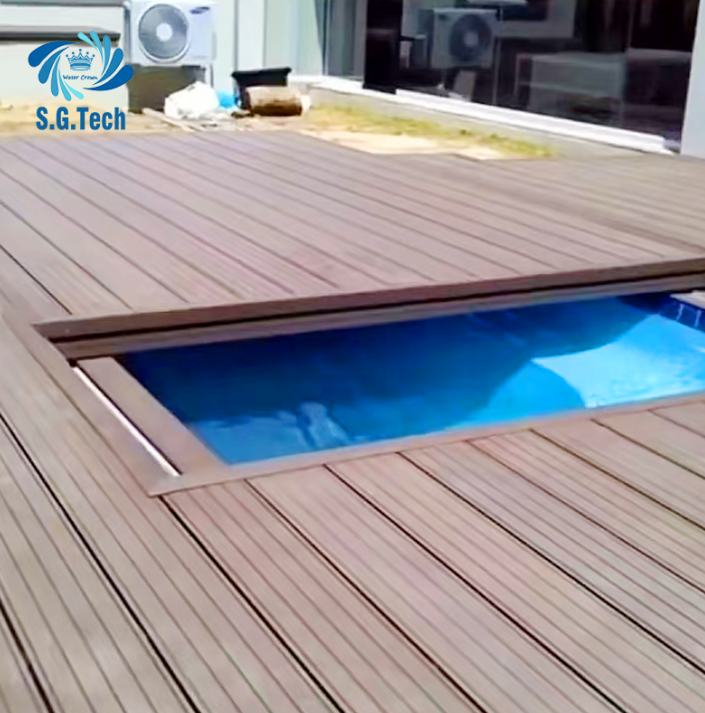
Cleaning Slatted Swimming Pool Covers Safely and Effectively
Removing Debris, Leaves, and Organic Buildup
Keeping organic stuff like leaves, pollen, small branches, and algae spores off slatted pool covers is important because they cause stains, hold moisture, and speed up wear and tear on the materials. Start by sweeping with a soft bristle broom or using a leaf blower set to low power for loose debris. Don't use anything rough that might scratch those protective coatings on the slats. When dealing with stuck-on gunk in the grooves between slats or around joints, just give it a good rinse with a garden hose at normal pressure levels. Stay away from high pressure nozzles since these can push water where it shouldn't go inside track systems or even pop out some seals. Do this kind of maintenance about once a week when pollen counts are high or leaves start falling heavily. Studies done over years by the National Swimming Pool Foundation show regular cleaning like this can actually make pool covers last 40% longer than usual.
Gentle Cleaning Techniques for Slats and Track Systems
If things get really dirty after sitting in the rain for days, covered in algae buildup, or splashed with pool chemicals, grab some pH neutral soap (not the detergent kind) mixed into warm water and go at it with either a microfiber cloth or soft sponge. Take extra care when working around those slat grooves and track edges, applying just enough pressure so it gets cleaned but not damaged. Rinse everything off right away while the soap is still wet to stop any residue from drying out in those guide channels where it can cause problems later on. Want to get into those tight track spaces? Cotton swabs work wonders for knocking loose all that gritty stuff without messing with the alignment parts. Let the whole cover dry naturally in the sun before putting it back together or trying to operate it again because leftover moisture leads to mold growing between the slats which will eventually eat away at both the plastic and fabric layers underneath. According to tests done across the industry, sticking to these gentle cleaning methods instead of harsh chemicals or scrubbing tools actually cuts down on needing replacements early by about a third.
Inspecting Slatted Swimming Pool Covers for Damage
Recognizing Early Signs of Slat Warping, Tears, or Corrosion
Finding problems early helps prevent expensive fixes and keeps things safe. Check those slats visually for any warping signs. Sometimes there's a subtle curve near the hinges or gaps that don't match up between neighboring slats. These little details usually mean something about heat stress, bad tension setup, or just plain old wear and tear on the structure. Tears tend to start showing up where the material bends the most. Look out for fabric coming apart near the roller ends, threads coming loose along seams, or holes where parts rub against tracks. Metal bits get corroded pretty badly too. Watch for rusty flakes, white stuff building up (called efflorescence), or colors fading on pulleys, anchor points, and aluminum rails. The sun beating down plus all that chlorine smell speeds up breakdown. Good quality covers generally begin to crack and stiffen after around 7 to 9 years straight outside. If something feels off while operating it, like grinding noises, resistance moving it, or if it snaps back when bent gently, these are warning signs worth paying attention to. Don't wait until small problems become big ones. Even tiny rips can grow fast when water pools on top creating pressure underneath.
Routine Visual and Tactile Inspection Checklist
Conduct monthly inspections using this five-step sensory protocol under natural daylight:
- Visual Sweep: Scan the full surface for rips, discoloration, misaligned slats, or debris-clogged drainage paths–note areas receiving direct midday sun.
- Surface Texture Test: Gently press on multiple slats; reject any showing cracking, flaking, or loss of flexibility. Fabric should rebound smoothly, not snap or crumble.
- Edge/Seam Examination: Confirm stitching remains intact at all joints and that fabric lies flat and taut within track channels–no bunching or lifting.
- Hardware Security Check: Tighten loose anchors and replace corroded fasteners immediately. Lubricate track rollers and guide rails annually with silicone-based lubricant–not petroleum-based oils, which degrade polymers.
- Drainage Verification: Identify persistent water pooling, especially on non-mesh designs; standing water doubles mechanical stress on supports and increases failure risk.
Document findings in a simple log and schedule professional evaluation for recurring issues, misalignment beyond adjustment range, or signs of frame deformation.
Optimizing Tension and Structural Integrity of Slatted Swimming Pool Covers
Adjusting Straps, Anchors, and Track Alignment Seasonally
Changes in temperature really mess with the tension in those slatted pool covers, particularly when they're sitting on concrete patios or in areas where winter and summer temperatures swing wildly. When straps get loose, anchors move out of place, or tracks become misaligned, it puts extra strain on everything from motors to gears and those little slat connections. Over time, this can lead to all sorts of problems like stuck mechanisms, slats jumping out of alignment, or worst case scenario, the whole system coming completely off track. Time to roll up our sleeves and tackle some routine checks every three months or so.
- Test strap tension using the deflection method specified in your manufacturer’s manual (typically 1–2 inches of vertical give at midpoint under light pressure).
- Inspect anchor bolts for corrosion, concrete spalling, or movement–reseat or reinforce as needed.
- Clean track channels thoroughly before realigning slats; accumulated grit causes uneven wear and premature rail deformation.
- Manually operate the cover while observing slat movement: uniform, silent progression indicates proper load distribution; hesitation or stuttering signals misalignment or tension imbalance.
Neglecting seasonal adjustments can accelerate mechanical wear by up to 40%, per structural engineering guidelines published by the Association of Pool & Spa Professionals. Complete all tensioning and alignment work before peak summer heat or winter freeze cycles to ensure optimal performance and longevity.
Managing Environmental Loads: Water, Snow, and UV Exposure
Draining Standing Water and Preventing Snow-Induced Stress on Non-Mesh Slatted Covers
Slatted covers without mesh tend to hold water instead of letting it drain away, which makes them susceptible to extra weight from nature. Water sitting on top weighs around 6 pounds per square foot, but things get really bad when there's heavy snowfall. Wet snow piled up to about a foot deep can actually weigh over 15 pounds per square foot, which puts serious strain on the system and might cause warped slats, bent tracks, or even motor problems. To stay ahead of these issues, regular maintenance matters a lot. Brush out leaves and dirt from the drainage areas every week or so. Check how well the slope works in springtime to make sure water runs off properly. For pools located where it rains a lot or sits in mountains, thinking about adding an extra pump could be worth considering. If snow builds up past a foot thick, it's best to clear away about three quarters of what's sitting there within a day. Start by clearing the middle section first since that's where most of the pressure builds up, helping prevent those annoying cracks and bends in the slats later on.
Mitigating UV Degradation and Chemical Exposure Risks
When UV rays team up with chlorinated water, they really take a toll on cover materials. Fading happens faster, surfaces start to chalk off, and those polymer chains break down about three times quicker compared to when only UV is involved. Slats without protection often show signs of getting brittle and losing their color around the 18 month mark in places where the sun shines most. Aluminum tracks aren't spared either - they develop pits and seals give way because chlorine keeps escaping into the air. To fight back against this damage, there are several things that work well. Apply those ceramic UV inhibitors twice a year which can actually double the lifespan of the covers. Always rinse them properly after doing shock treatments or when there's been a lot of swimmers using the pool. For areas that get over 2,500 hours of sunshine each year, go with powder coated aluminum tracks instead of regular PVC or uncoated metals. Some recent testing published in 2023 showed that covers with built-in UV protection lasted eight years or more when chemicals were managed correctly. That's quite a jump from the three year lifespan seen in unprotected covers facing the same conditions.
| Environmental Threat | Impact on Slatted Covers | Mitigation Strategy |
|---|---|---|
| Standing Water | Track corrosion, slat warping, seal compression | Install integrated drainage channels; perform monthly slope verification |
| Snow Loads (15+ lbs/sq ft) | Frame bending, motor strain, slat buckling | Reinforce perimeter anchors; implement staged snow removal protocol |
| UV Radiation | Fading, polymer embrittlement, coating delamination | Apply ceramic-based protectants biannually; prioritize shade-integrated installation |
| Chlorine/Bromide | Metal oxidation, gasket swelling, seal failure | Neutralize chemical contact immediately; specify EPDM or Viton seals |