
 EN
EN


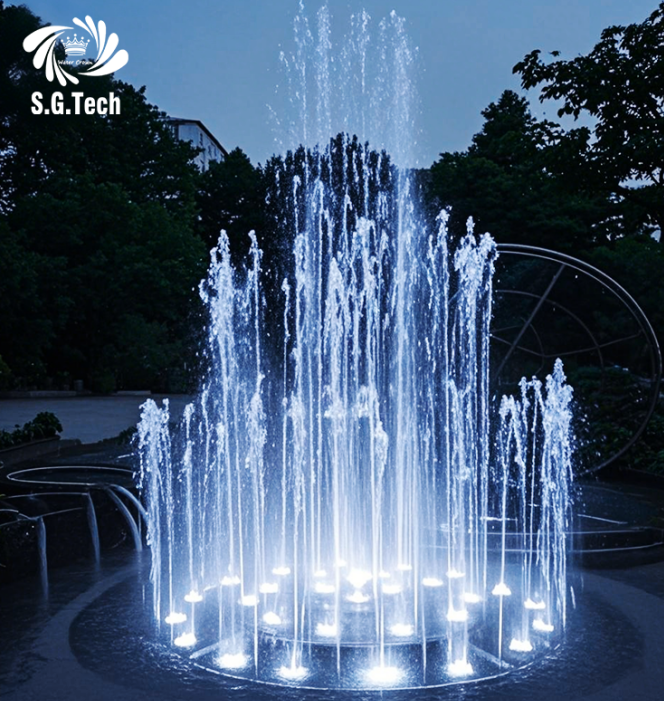
Choosing Durable Materials for Your Garden Water Fountain
Stone, Concrete, Ceramic, and Recycled Composites: Lifespan and Real-World Performance
Choosing durable materials means getting decades out of whatever gets installed. Take natural stone for instance, granite stands out because it lasts so long, sometimes past 25 years. Why? Well, granite is dense, can take a beating without breaking, and just doesn't care much about weather changes. Some old granite fountains sitting around in botanical gardens still look solid after 30+ years with hardly any upkeep needed. Concrete is another option that holds up pretty well too, but costs less upfront. The catch is needing to seal it every couple of years to stop water from soaking in and causing cracks when temps drop below freezing. Left unsealed in colder areas, concrete tends to start flaking apart within about ten years. Ceramics are great for looks and feel nice to touch, but they don't handle freezing conditions very well. Those little cracks form over time from repeated freeze-thaw cycles, so ceramics work best where there's no real winter chill. Recycled composites made from stuff like glass, plastic or rubber have become popular lately since they're good for the environment and stand up against sun damage quite well. However, these materials usually last only between 10 to 15 years compared to stone. For places that get lots of moisture or intense sunlight, going with silica rich stones or polymers treated for UV protection makes sense if wanting to avoid issues with biological growths eating away at surfaces and colors fading over time.
Weather Resistance Essentials: Freeze-Thaw, UV Stability, and Coastal Salt Tolerance
When it comes to standing up against climate challenges, there are basically three main factors that matter most. First up we have freeze-thaw endurance. This basically means how well materials hold up when they expand and contract repeatedly from freezing and thawing cycles. Dense granite can take over 100 of these cycles without showing any real damage, but porous concrete requires special air entrainment additives or good sealing to match that kind of performance. Then there's UV stability, which stops colors from fading and keeps polymers from breaking down. Materials like UV inhibited composites and naturally colored stones tend to keep about 95% of their original color brightness even after sitting out in direct sunlight for 15 years straight. For places near the coast, salt resistance becomes absolutely essential. Glazed ceramics, marine grade stainless steel, and solid stone all handle saltwater much better than regular untreated metals, which often start to rust and decay within just five years. Tests actually show that bronze fittings wear away at least five times quicker than stainless steel when exposed to the same salty conditions.
Designing a Custom Garden Water Fountain That Fits Your Landscape Style
Modern, Traditional, and Rustic Aesthetics—With Verified Garden Integration Examples
The visual appeal of a fountain needs to complement rather than clash with what's already there in the landscape. For modern spaces, think clean lines with materials like concrete, stainless steel, or smooth stone surfaces. These look great when paired with simple planting choices such as tall grasses like miscanthus or pennisetum that don't distract from the fountain itself. Traditional gardens really come alive with tiered fountains made from limestone or sandstone. Surround them with neat rows of boxwood hedges and old fashioned roses for that classic feel. We've seen many successful installations where placing these traditional fountains at the end of pathways creates strong visual connections across the property and makes the garden seem deeper than it actually is. Rustic styles get their charm from using reclaimed stones, aged wood, or forged iron details alongside plants that grow naturally in the area, like coneflowers and switchgrass. Size definitely counts too. Small outdoor areas work best with modest fountains that have just one spout, whereas bigger properties can handle multiple basins arranged to mimic natural landforms found in nature.
Functional Design Upgrades: Solar-Powered Waterfalls, Multi-Tiered Flow, and Bird Bath Fusion
Combine function with form through thoughtful design elements. Waterfalls powered by solar energy cut down on electricity bills and remove reliance on traditional power sources. They work best in spots facing south where there's plenty of sunshine all day long, at least six hours straight. The multi-level water flow creates nice sounds as it cascades down different levels, which also helps mix air into the water naturally. Putting a small bird bath underneath where water gently spills over adds another layer of benefit for wildlife. Research indicates these combined features draw about 30 percent more birds compared to regular fountains, helping boost local bird populations while still looking good in any garden setting. With these improvements, what starts as just a decorative fountain becomes something much more valuable to both people and nature alike.
Building and Installing Your Custom Garden Water Fountain
Basin Construction, Pump Selection, and Leak-Proof Assembly Best Practices
Start with something solid for the basin itself. HDPE or reinforced concrete work best in most cases. These materials should sit on top of about 4 inches of gravel to help with proper drainage and prevent problems from frost heaving in colder climates. When it comes time to pick out a pump, make sure it's the right size for what you need. A good rule of thumb is around 100 gallons per hour for every inch of spillway width. This helps keep things running smoothly without wasting too much power. Studies have shown that getting the pump size right can cut down on energy consumption by as much as 30 percent according to research published in the Water Feature Engineering Journal last year. Now let's talk about putting everything together without leaks:
- Seal all pipe joints with marine-grade epoxy before connection
- Use EPDM rubber gaskets between stacked stone tiers to absorb movement and prevent seepage
- Conduct a 48-hour static water test—no pump running—before commissioning the system
Pressure-test all plumbing at 1.5× operational PSI, and always power electrical components via GFCI-protected outlets located within 10 feet of the fountain. Solar pumps require unobstructed sun exposure; ceramic disc valves provide superior flow modulation and longevity over metal alternatives in recirculating systems.
Enhancing Visual Appeal with Lighting, Plants, and Decorative Accents
Energy-Efficient LED Integration, Natural Stonework Pairing, and Seasonal Plant Strategies
Lighting and thoughtful planting can make a fountain stand out long after sunset and throughout all four seasons. LED lights underwater save around three quarters of the electricity compared to old halogen bulbs, plus they last way longer than 25 thousand hours. Go with warm white tones at about 2700K if possible these highlight the water's movement without causing annoying reflections. Pair those lights with real stones like slate stepping stones or big granite rocks. These not only match what's already there but also hold back soil erosion when water splashes around. When planning for different seasons, think about how plants grow and flower at different times. Small Carex grass works great for winter interest. Heucheras and tulips pop up in springtime, while lobelias and astilbes love the wet areas near fountains during summer months. Ornamental grasses and sedums keep things interesting through autumn. Landscape professionals have found that gardens designed this way typically boost property values by about 12%. Plus, using low voltage lighting means no one trips over cords, and plants like astilbe take root easily without messing up underground pipes or foundations.