
 EN
EN


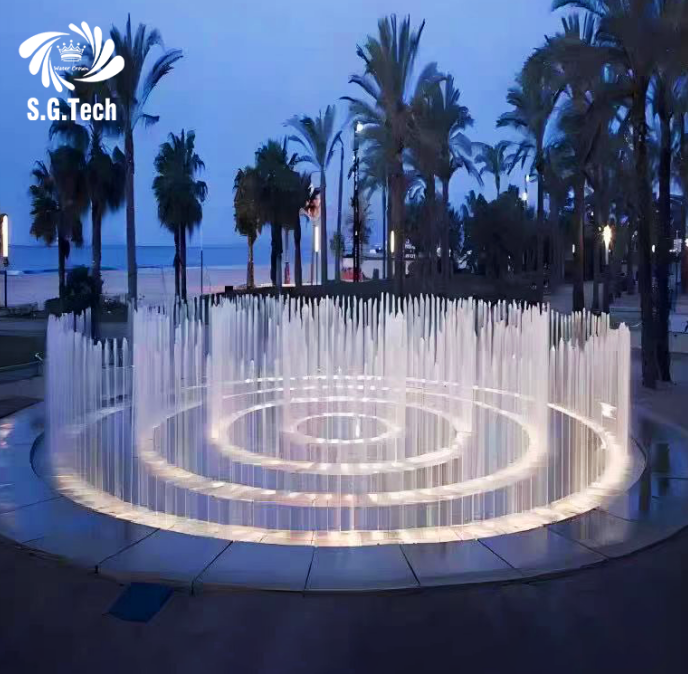
Functional Requirements Drive Custom Fountain Performance
Durability and Maintenance Across Environments
Material selection directly dictates a custom fountain’s lifespan and upkeep demands. Stainless steel resists corrosion in humid settings, while polymer composites withstand UV degradation in sun-exposed installations. To sustain performance and minimize long-term costs, proactive maintenance is essential:
- Monthly nozzle inspections clear mineral deposits that distort spray patterns
- Quarterly pump servicing preserves optimal flow rates and pressure
- Annual surface treatments protect material integrity against environmental stressors
Neglecting these routines can increase lifetime operational costs by up to 40%, per industry-wide water feature maintenance studies. Consistent care ensures reliability while extending functional life—making maintenance not an afterthought, but a core design consideration.
Climate Adaptation: Coastal, Freeze-Thaw, and Arid Challenges
When dealing with extreme environmental conditions, engineers need to think differently about materials and design choices. Take coastal regions for instance where salty air eats away at metals much faster than normal. That's why structures in these areas often rely on special stainless steels like ASTM A959 Grade 316 along with sacrificial anodes to combat corrosion. Things get even trickier in places with frequent freezing and thawing cycles. Poor drainage becomes a real problem when water gets trapped in concrete and then freezes, causing cracks as ice expands inside. This issue is actually one of the main reasons fountains break down in colder regions. According to recent data from the Water Feature Engineering Report released last year, around one third of all fountain repair work in northern areas stems from this exact type of damage caused by freeze-thaw cycles.
Arid regions pose dual challenges: daily evaporation exceeding 1.5 inches demands automated water-level sensors, while high-mineral water sources require integrated filtration to prevent nozzle calcification. When climate-specific adaptations are embedded from the outset—not added as retrofits—they extend functional lifespan by 7–12 years compared to standard installations.
Aesthetic Integration Ensures Harmonious Custom Fountain Placement
Architectural and Landscape Cohesion: Scale, Style, and Sensory Experience
Good custom fountain designs start when designers really understand where they fit into the bigger picture. The size, materials used, and how people interact with them all need to match what's already there in the buildings and landscapes around them. Think about it this way: if there's a big old neoclassical building nearby, then maybe something grand with lots of water flowing would work better. But in smaller spaces like courtyard areas, something quieter that people can actually walk up close to makes more sense. When picking materials, certain options just make sense together. Weathered looking stones or bronze that has developed color over time go well with older brick or stone walls. Meanwhile, shiny stainless steel or those flat composite surfaces tend to look right next to modern buildings made mostly of glass and metal frames.
Getting the senses right matters just as much. The water sounds need to blend in with what's already there instead of fighting against them. Quiet places work best with smooth flowing water that doesn't make too much noise, whereas busy public spaces really come alive when there are rhythmic waterfall sounds happening. Designers also have to think about how wind affects spray patterns so water doesn't end up going where it shouldn't. Putting fountains near where people naturally gather helps them hear better, and those shiny reflective pools can make small spaces look bigger than they actually are. When all these elements line up properly, the fountain becomes part of the landscape itself rather than just something stuck on top like extra ornamentation.
Material and Technology Choices Elevate Custom Fountain Uniqueness
Stone, Metal, Glass, and Composites: Balancing Aesthetics and Longevity
What materials we choose really shapes how something looks and lasts over time. Take granite and marble for instance they look amazing but need regular sealing to keep them from getting stained or damaged when frozen and thawed repeatedly. Bronze is another interesting option because it naturally forms a protective layer that makes it great for those old fashioned fountain designs. Stainless steel definitely has its appeal with that clean modern look, though only certain types like marine grade 316 SS can handle being near salt water without corroding. Tempered glass adds light and openness to structures but needs to pass specific safety tests before installation. Lightweight composite materials such as fiberglass reinforced plastic open up possibilities for creative designs that cantilever out in space, which comes in handy for things placed on rooftops or buildings where structural weight matters. Weather conditions should always be part of the decision making process. Non porous stones work best in areas where freezing happens regularly, while materials treated against UV rays are better suited for hot sunny climates.
Smart Enhancements: LED Lighting, Programmable Jets, and Solar Integration
Modern tech is changing how we think about water displays, making them much more than just pretty sights. With professionally set up RGB LED lighting, these installations can change colors according to seasons, special occasions, or even background music without losing quality in color rendering or brightness levels. The jets themselves are programmable too, creating everything from gentle mists to powerful sprays that shoot water nearly 15 meters into the air. All this can be controlled remotely through safe online platforms. When combined with solar panels and those LiFePO4 batteries as backup power sources, these systems cut down on electricity usage by around half in areas where sunlight is plentiful, yet still work flawlessly when needed. What makes these upgrades really valuable isn't just their visual appeal but also how they incorporate flexibility, environmental friendliness, and give operators real control over day to day operations.
Site Constraints and Client Vision Guide Custom Fountain Realization
Zoning, Infrastructure, Spatial Limits, and Collaborative Design Alignment
Creating a custom fountain starts with looking at the actual site conditions rather than just dreaming about what could be. Local zoning rules set important boundaries that designers need to know about. For instance, there are usually limits on how tall fountains can be, noise levels from pumps and water movement, plus special requirements when using water that isn't safe to drink or needs permission for recycling. What kind of power is available matters too—most places have either 208 volts or 480 volts which affects everything else. Water pressure from existing pipes, how much water flows through them, and where storm drains or regular sewers are located all determine things like pump size, filter systems, and how big the water basin needs to be. Space limitations also play a big role in what's possible. Small city spaces measuring less than 100 square feet often work best with vertical water features or jets built into floors, whereas bigger properties in rural areas can handle fancy multi-level basins complete with seating areas and special lighting effects.
When different disciplines work together on design projects, they can overcome both technical challenges and artistic visions at the same time. Designers today rely heavily on tools like lifelike 3D models, live hydraulic tests, and actual material swatches to turn vague client ideas such as "create something calm and modern" or "make something that moves people" into actual blueprints that can be built. The whole process needs to account for strict limitations too, like making sure no pipes or cables get disturbed during construction based on those detailed site maps following ASCE 38 guidelines. At the same time, it has to keep the emotional core intact whether that means creating spaces for quiet reflection, encouraging interaction among visitors, or adding striking visual elements to an area. What comes out of all this careful balancing act is not just a working water feature but something special that fits perfectly within its surroundings and becomes a true local attraction.