
 EN
EN


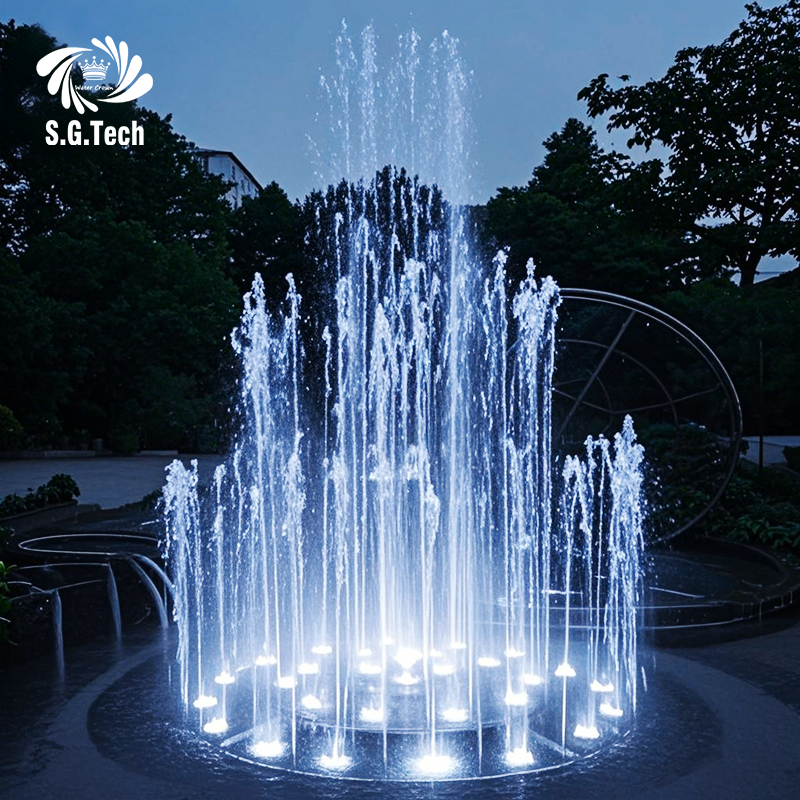
Garden Water Fountain as the Central Aesthetic Anchor
Strategic Placement for Visual Hierarchy and Focal Point Emphasis
Landscape designers use the “one-third rule”—positioning the fountain approximately one-third along key sightlines—to establish visual hierarchy and anchor the composition. This placement naturally organizes surrounding elements like pathways, seating areas, and planting beds. Properties featuring a centrally located water feature sell 11% faster, according to the Horticultural Design Journal (2023). Effective techniques include elevating the fountain on a stone base for vertical emphasis, framing it with contrasting foliage to enhance visibility, and aligning it with architectural axes—such as patio or doorway sightlines—for spatial cohesion.
Eye-Tracking Insights: Why Garden Water Fountain Draws and Holds Attention
Infrared eye-tracking studies show moving water captures attention 2.3 times faster than static garden sculptures (HortScience, 2023). The brain processes liquid motion in just 50 milliseconds—a reflex rooted in evolutionary responsiveness to water as a vital resource. As a result, garden water fountains retain viewer attention 40% longer than floral displays alone. Their continuous flow generates rhythmic visual patterns, and circular ripples extend the perceived focal zone by 150% compared to still-water features—reinforcing their role as a dynamic, magnetic centerpiece.
Multi-Sensory Aesthetic Enhancement of a Garden Water Fountain
Harmonizing Sound, Motion, and Light Reflection for Immersive Ambiance
A well-designed garden water fountain engages multiple senses simultaneously: the visual rhythm of flowing water establishes movement and depth; reflective surfaces amplify natural light during the day; and gentle cascades produce low-frequency sounds proven to reduce physiological stress responses by 15% (Environmental Psychology Review, 2023). Underwater LED lighting extends this immersion into evening hours, casting shimmering, fluid light patterns that respond dynamically to water motion. Together, these layers—fluid kinetics, ambient acoustics, and refractive illumination—create cohesive, restorative environments where sensory elements reinforce rather than compete with one another.
Balancing Auditory Calm with Context: Avoiding Dissonance in Residential Settings
The ideal sound profile of a garden water fountain depends on its surroundings. In urban settings, moderate-volume cascades (45–55 decibels) effectively mask traffic noise while preserving natural tonality. In quiet residential neighborhoods, subtler bubbling or sheet-flow designs—operating below 40 decibels—prevent disturbance to neighbors or nearby conversation zones. Material choice plays a key role: slate or textured stone basins absorb splashing noise for intimate courtyards, whereas polished copper or glazed ceramic enhances resonance in larger, open gardens. Positioning the fountain 10–15 feet from primary seating areas maintains audible serenity without overwhelming speech or ambient garden sounds—ensuring acoustic harmony within the broader landscape context.
Stylistic Integration: Matching Garden Water Fountain Design to Landscape Identity
Material, Form, and Scale Alignment — From Zen Minimalism to Mediterranean Opulence
A garden water fountain achieves authentic integration when its material, form, and scale reflect the landscape’s overarching identity. Zen-inspired spaces benefit from compact, monolithic basalt or granite fountains with thin, silent water sheets—emphasizing stillness and intention. Mediterranean estates, by contrast, call for tiered travertine or hand-painted ceramic designs with ornate detailing that echoes villa architecture and formal terraces. Scale is critical: per the 2024 Landscape Design Trends Report, 67% of homeowners cite proportional balance as essential—avoiding undersized fountains in expansive lawns or oversized installations that overwhelm small courtyards.
| Fountain Style | Material Palette | Ideal Landscape Setting |
|---|---|---|
| Zen Minimalist | Basalt, granite | Courtyards, rock gardens |
| Rustic Farmhouse | Weathered copper, stone | Cottage gardens, woodland |
| Mediterranean Opulent | Travertine, ceramic | Villa terraces, formal lawns |
Leading practitioners emphasize continuity—repeating hardscape materials (e.g., matching fountain base stone to patio pavers) or echoing metal finishes (e.g., using the same patinated copper for fountain spillways and garden lighting). This subtle repetition strengthens visual unity and allows the fountain to function not as an object in the landscape, but as an intrinsic element of it.
Ecological and Compositional Synergy: Garden Water Fountain in Plant and Hardscape Context
A garden water fountain achieves lasting impact when designed as part of an integrated ecological and compositional system. Modern recirculating pumps reduce water consumption by 80–90% versus traditional gravity-fed features—making them compatible with sustainable landscaping practices. This efficiency pairs seamlessly with drought-tolerant native plantings like lavender, yarrow, or ornamental grasses, which require minimal irrigation and provide textural contrast around the fountain’s base. Material synergy further deepens cohesion: stone fountains harmonize with gravel paths and dry-stacked retaining walls, while brushed-metal finishes offer intentional contrast against warm-toned wood pergolas or cedar fencing. When placed near seating areas, the fountain’s sound blends with rustling foliage and bird activity—layering natural acoustics into a balanced, multisensory experience. The result is more than aesthetic: it’s a functional ecosystem where conservation, comfort, and beauty operate in mutual reinforcement.
FAQ
Why use a garden water fountain as a focal point?
Garden water fountains are excellent focal points due to their ability to draw and hold attention. The flowing water creates movement, which the brain processes quickly, making them more dynamic compared to static garden features.
How does the fountain design impact the garden’s aesthetics?
The design of a garden water fountain, including its material, form, and scale, should reflect the landscape’s identity. This ensures the fountain is an intrinsic element of the garden, enhancing the overall aesthetic appeal and unity.
What are the benefits of a multisensory garden water fountain?
A multisensory garden water fountain enhances visual rhythm, natural light reflection, and ambient sound, creating a harmonious and restorative environment.
How can the sound of a garden water fountain be balanced in residential settings?
The sound should be adjusted based on the garden's location. Moderate-volume cascades work well in urban areas to mask noise, while quieter designs suit residential neighborhoods to avoid disturbance.