
 EN
EN


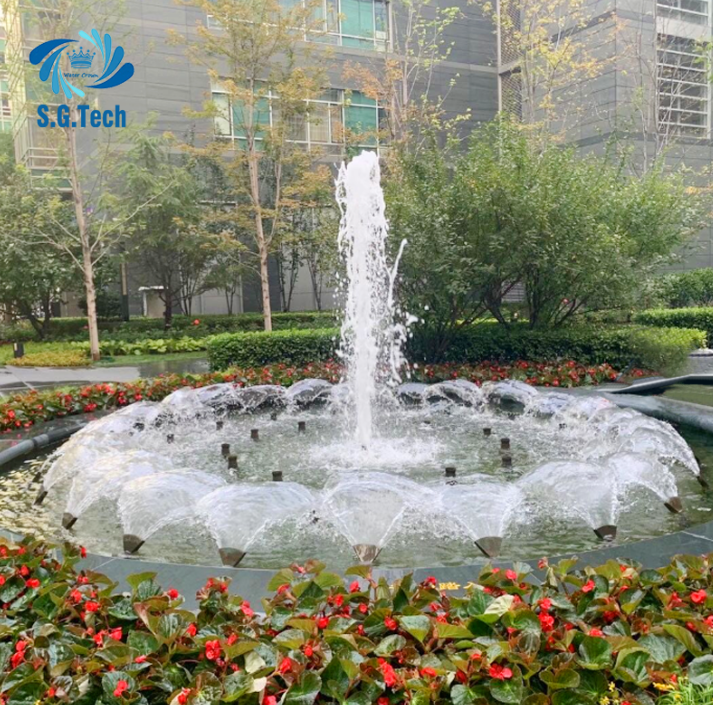
Aligning Garden Water Fountain Style with Park Design Language
Why Visual Harmony Matters: Avoiding Aesthetic Dissonance in Public Spaces
When garden water fountains match their surrounding park landscapes, it creates a much better overall look without those awkward visual clashes. Imagine finding a fancy Baroque style fountain sitting right in the middle of a simple modern plaza - most people would find that pretty strange looking. Well-designed public areas work best when everything visually fits together, making it easier on the eyes and helping people feel connected to the space itself. According to some recent studies done by the Urban Greenspace Institute last year, parks where all the elements match up tend to keep visitors around longer too. People actually spend about 23% more time hanging out there and report feeling 31% happier overall. There are several basic rules designers follow to get this right. In old town areas they often copy architectural styles from nearby buildings. For nature focused parks, they go with shapes that look more like what grows naturally. Materials matter too - nobody wants to see shiny new granite next to wood that looks like it's been outside for decades.
Four Key Design Typologies: Formal, Naturalistic, Modernist, and Rustic
Understanding core fountain archetypes ensures intentional style pairing:
| Typology | Park Context | Material Signature |
|---|---|---|
| Formal | Geometric gardens | Carved marble, bronze |
| Naturalistic | Woodland trails | Irregular stone, moss |
| Modernist | Contemporary plazas | Corten steel, concrete |
| Rustic | Heritage farmsteads | Weathered copper, slate |
Symmetrical gardens look great with formal fountain designs that line up along straight sightlines. On the other hand, naturalistic water features work well in parks where paths wind around and basins have irregular shapes. For cityscapes, modernist fountains tend to use sharp geometric forms that stand out against buildings. Rustic styles are different though they show age through weathered stone and wood elements that feel hand made rather than mass produced. The size matters too. Formal fountains usually sit at the center of large open areas, acting like focal points. Naturalistic ones blend into landscapes so people might stumble upon them while walking through green spaces instead of seeing them from afar.
Sizing Garden Water Fountains Appropriately for Park-Scale Environments
The Proportion Problem: Balancing Presence Without Dominance
Getting the right visual balance starts with scaling things properly. Big fountains tend to block views and make people feel cramped, while tiny ones just get lost in big parks. When designing these spaces, landscape architects look at how tall the fountain is compared to the trees around it, how wide the water basin relates to walking paths, and whether the fountain's shape works with buildings nearby like small shelters or rest areas. Good proportions mean the fountain stands out but doesn't take over the whole scene. Most designers aim for something that takes up about 5 to 10 percent of what someone sees when standing at key spots in the park.
Practical Sizing Guidelines: Height-to-Distance Ratios and Ground-Plane Impact
Implement these evidence-based metrics for optimal sizing:
| Dimension | Ideal Ratio | Functional Impact |
|---|---|---|
| Maximum spray height | 1:3 vs. nearest structure | Prevents wind-drift moisture damage |
| Basin diameter | 1:5 vs. open plaza area | Maintains pedestrian flow capacity |
| Vertical silhouette | 1:4 vs. viewing distance | Ensures focal point recognition |
For circulation zones, limit fountain footprints to 15% of surrounding hardscape to avoid congestion. In passive gardens, tiered designs with 1.2–1.5 m base diameters deliver intimacy without sacrificing presence.
Selecting Durable, Low-Maintenance Materials for Public Garden Water Fountains
Top Environmental Stressors: Freeze-Thaw Cycles, Algae, and Heavy Foot Traffic
Water fountains in public gardens deal with all sorts of environmental problems that just keep coming. The freeze-thaw cycle is particularly damaging because when water freezes inside those porous stone surfaces, it expands and contracts repeatedly until cracks form. According to a study from Ponemon in 2023, this issue alone accounts for about 42 percent of all fountain repair work needed in areas with moderate climates. Then there's the algae problem too. When sunlight hits stagnant water, green sludge starts growing rapidly, which gets stuck in pump systems and leaves ugly stains on everything around them if not cleaned regularly. And let's not forget about people walking all over these installations either. The constant pounding from footsteps wears down even the toughest materials over time, especially near entry points where crowds gather most often. All these factors together cost cities roughly seven hundred forty thousand dollars each year in maintenance expenses. That kind of money adds up fast, so choosing the right materials from the start becomes absolutely critical for any municipality looking to save both cash and headaches down the road.
Material Comparison: Cast Stone, Stainless Steel 316, and Fiberglass FRP for Long-Term Resilience
Three materials dominate durable fountain construction:
| Material | Freeze-Thaw Resistance | Algae Susceptibility | Foot Traffic Durability |
|---|---|---|---|
| Cast Stone | Excellent (Low porosity) | Moderate | High |
| Stainless Steel 316 | Superior (No cracking) | Low (Non-porous) | Medium |
| Fiberglass FRP | Good (Flexible) | Low | High |
- Cast stone mimics natural rock with minimal water absorption—ideal for high-vandalism areas—but benefits from periodic sealing to inhibit algae.
- Stainless steel 316 excels in freeze-prone climates due to thermal stability, though its metallic surface shows scratches more readily.
- Fiberglass Reinforced Polymer (FRP) offers lightweight resilience against impacts and chemical cleaners, making it ideal for intricate or sculptural forms.
Leading manufacturers prioritize these materials for 20+ year lifespans, reducing replacement frequency by 60% compared to concrete or resin alternatives.
Optimizing Placement of Garden Water Fountains for Function and Experience
Mitigating Wind and Sun Effects: Spray Control and Thermal Comfort
Strategic placement counters environmental challenges:
- Wind exposure redirects spray patterns, wasting water and creating slippery surfaces. Position fountains in sheltered zones—or use windbreak plantings—to maintain water containment.
- Sun orientation impacts evaporation rates and user comfort. South-facing locations increase algae growth by 30% (Water Management Institute 2023). Opt for dappled-shade placements to reduce water loss while preventing surface overheating that deters visitor interaction.
Acoustic and Spatial Integration: Positioning for Serenity in Passive Recreation Zones
Achieve auditory harmony through deliberate siting:
- Place fountains within 15–30 feet of benches to leverage water’s natural white-noise effect, which reduces perceived ambient noise by 40% in urban parks (Acoustic Ecology Journal 2022).
- Avoid high-traffic pathways; instead, integrate with greenery in contemplation zones. This spatial separation creates psychological refuge while preventing visual obstruction.
| Placement Factor | Ideal Implementation | Avoidance Zone |
|---|---|---|
| Sound Radius | 20-ft diameter from seating | Adjacent to playgrounds |
| Sun Exposure | Morning sun/afternoon shade | Unshaded asphalt areas |
| Wind Buffer | Deciduous shrubs at NW side | Hilltops/exposed plazas |
Ground-plane considerations include ensuring 360° visibility for safety while embedding the fountain within existing topography to minimize structural modifications. Distance ratios should follow the 1:3 rule—fountain height not exceeding one-third of the nearest structure’s elevation—to preserve viewshed integrity.