
 EN
EN


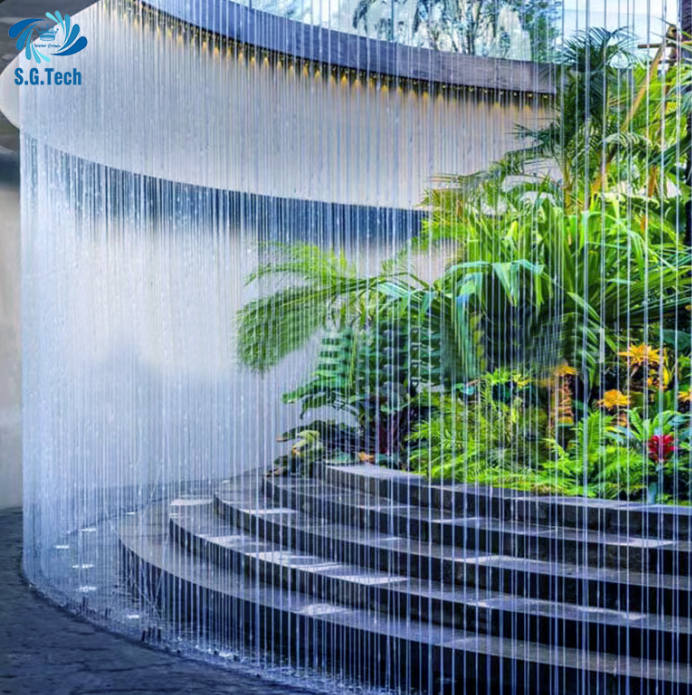
I tendaggi d'acqua si sono affermati come un elemento di spicco nella progettazione paesaggistica moderna, negli spazi commerciali e nei luoghi di intrattenimento, unendo tecnologia ed estetica per offrire esperienze visive straordinarie. Come produttore professionale fondato nel 2011, la Guangdong Water Crown Environmental Technology Co., Ltd. vanta oltre 10 anni di esperienza nella produzione di tendaggi d'acqua su misura — tra cui tendaggi d'acqua digitali, tendaggi d'acqua a fili e schermi a cascata 3D — destinati a centri commerciali, hotel, parchi e altri luoghi in tutto il mondo. Un tendaggio d'acqua di alta qualità rappresenta un investimento, e per preservarne prestazioni, durata e fascino visivo nel lungo periodo, una manutenzione sistematica è assolutamente indispensabile. Trascurare la manutenzione può causare intasamenti, malfunzionamenti meccanici, flusso d'acqua irregolare o addirittura danni permanenti, compromettendo funzionalità e durata del tendaggio d'acqua. Di seguito è riportata una guida completa alle pratiche essenziali di manutenzione per la cura a lungo termine dei tendaggi d'acqua, redatta sulla base dell’esperienza settoriale e della competenza diretta dell’azienda nella realizzazione di sistemi affidabili di tendaggi d'acqua.
Pulizia regolare per evitare otturazioni e accumuli
Le prestazioni di una tenda d'acqua dipendono da un flusso d'acqua ininterrotto, rendendo la pulizia regolare un'operazione fondamentale di manutenzione. Nel tempo, detriti, depositi minerali e sporco possono accumularsi nei componenti chiave, compromettendo il funzionamento regolare della tenda d'acqua.
Pulizia degli ugelli e delle tubazioni dell'acqua
Gli ugelli e i tubi costituiscono la struttura portante di qualsiasi tenda d'acqua, poiché controllano la distribuzione e la forma del flusso d'acqua. I depositi minerali provenienti dall'acqua dura, la polvere e piccoli detriti ostruiscono spesso queste parti, causando un flusso d'acqua irregolare o schemi idrici distorti. Per la maggior parte dei modelli di tende d'acqua — come le tende d'acqua digitali programmabili della Guangdong Water Crown — utilizzare una spazzola morbida e un detergente delicato, non abrasivo, per pulire delicatamente gli ugelli. Evitare prodotti chimici aggressivi che potrebbero corrodere materiali come l'acciaio inossidabile, comunemente impiegato nei sistemi di tende d'acqua di fascia alta. Per i tubi, effettuare periodicamente un risciacquo con acqua pulita per rimuovere i depositi interni. In caso di ostruzioni ostinate, una soluzione di aceto e acqua tiepida può sciogliere i depositi minerali senza danneggiare l'interno dei tubi.
Rimozione dei detriti superficiali
Le cortine d'acqua esterne, come quelle utilizzate per decorazioni da giardino o paesaggi in parchi, tendono ad accumulare foglie, rametti, polvere e altri detriti superficiali. Questi detriti non solo compromettono l’aspetto visivo della cortina d’acqua, ma possono anche depositarsi nel serbatoio, causando intasamenti nei filtri o nelle pompe. Ispezionare quotidianamente la superficie della cortina d’acqua e il relativo serbatoio, in particolare dopo temporali o forti venti, e rimuovere i detriti con una rete o uno skimmer. Per le cortine d’acqua interne, ad esempio in centri commerciali o hotel, una regolare pulizia dalla polvere delle aree circostanti può ridurre l’accumulo di detriti.
Manutenzione dei filtri
I filtri svolgono un ruolo fondamentale nel mantenere l’acqua pulita e nel prevenire l’ingresso di contaminanti nel sistema meccanico della tenda d’acqua. La maggior parte dei sistemi a tenda d’acqua è dotata di filtri in grado di trattenere sporco, alghe e piccole particelle. Controllare i filtri settimanalmente e pulirli sciacquandoli con acqua per rimuovere i detriti intrappolati. A seconda della frequenza d’uso e della qualità dell’acqua, sostituire i filtri ogni 3–6 mesi per garantire una filtrazione ottimale. I sistemi a tenda d’acqua di Guangdong Water Crown sono progettati con filtri facilmente accessibili, semplificando la manutenzione ordinaria.
Ispezione dei componenti meccanici ed elettrici
Le tende d’acqua dipendono da una combinazione di parti meccaniche (pompe, valvole) e sistemi elettrici (controllori, sensori) per funzionare correttamente. Ispezioni regolari di questi componenti possono prevenire guasti improvvisi ed estendere la durata della tenda d’acqua.
Controllo di pompe e valvole
La pompa è il cuore della tenda d'acqua e si occupa di far circolare l'acqua alla pressione corretta. Ispezionare mensilmente la pompa alla ricerca di segni di perdite, rumori anomali o ridotta prestazione. Assicurarsi che il motore della pompa funzioni regolarmente e che i collegamenti elettrici siano ben serrati e asciutti. Le valvole controllano la portata e la pressione dell'acqua; pertanto, verificarne la presenza di corrosione, perdite o rigidità. Lubrificare le cerniere delle valvole con un lubrificante impermeabile, se necessario, per garantirne un funzionamento scorrevole. Per le tende d'acqua su larga scala, come quelle utilizzate in spettacoli teatrali o in installazioni lungo le sponde di laghi, si raccomanda di far ispezionare annualmente la pompa da un tecnico specializzato.
Verifica dei sistemi di controllo
Le moderne cortine d'acqua, incluse quelle digitali e programmabili, sono dotate di sistemi di controllo avanzati che regolano il flusso dell'acqua, l'illuminazione e gli effetti dinamici. Testare settimanalmente il pannello di controllo per verificare il corretto funzionamento di tutte le funzioni—ad esempio la regolazione dell'altezza del getto d'acqua, la programmazione dei pattern o la sincronizzazione con la musica. Controllare i sensori (se presenti) per verificarne lo sporco o eventuali danni, poiché essi svolgono un ruolo fondamentale per la sicurezza e le prestazioni. Se la cortina d'acqua utilizza controlli DMX o CNC, accertarsi che il software sia aggiornato e che le connessioni tra il sistema di controllo e le parti meccaniche siano salde. Il team di assistenza tecnica di Guangdong Water Crown può fornire supporto per la risoluzione di problemi relativi al sistema di controllo, se necessario.
Garantire la sicurezza elettrica
I componenti elettrici sono vulnerabili ai danni causati dall’acqua, pertanto controlli di sicurezza regolari sono essenziali. Ispezionare cavi di alimentazione, spine e scatole di derivazione alla ricerca di crepe, sfilacciature o segni di esposizione all’acqua. Assicurarsi che tutti i componenti elettrici siano correttamente collegati a terra e protetti dall’umidità, come specificato nelle linee guida del produttore. Evitare di utilizzare la tenda d’acqua se uno qualsiasi dei componenti elettrici presenta segni di danneggiamento e far effettuare immediatamente le riparazioni da un professionista certificato.
Gestione della qualità dell’acqua
La qualità dell’acqua influisce direttamente sulle prestazioni e sulla durata della tenda d’acqua. Una scarsa qualità dell’acqua può causare accumuli di minerali, crescita di alghe o corrosione dei componenti metallici.
Monitoraggio dei livelli di pH
Mantenere il livello di pH dell'acqua tra 7,0 e 7,8 per prevenire la formazione di incrostazioni (causata da pH elevato) o la corrosione (causata da pH basso). Verificare settimanalmente il pH dell'acqua utilizzando un kit per il test dell'acqua. Se il pH è troppo alto, aggiungere un riduttore di pH; se troppo basso, utilizzare un aumentatore di pH. Evitare l’uso eccessivo di prodotti chimici, poiché potrebbero danneggiare i materiali della tenda d’acqua o comprometterne la trasparenza visiva.
Prevenzione della crescita di alghe e batteri
Alghe e batteri prosperano in acqua stagnante, causando un'acqua verde o torbida che rovina l’aspetto della tenda d’acqua. Aggiungere mensilmente al serbatoio un algicida delicato e non tossico per inibire la crescita. Per le tende d’acqua esterne, garantire una circolazione adeguata per evitare lo stazionamento dell’acqua: far funzionare la tenda d’acqua per alcune ore al giorno può essere utile. Qualora la crescita di alghe sia già presente, svuotare il serbatoio, pulirlo accuratamente e riempirlo con acqua fresca prima di aggiungere l’algicida.
Sostituzione periodica dell’acqua
Anche con una filtrazione adeguata e un trattamento chimico appropriato, l’acqua può contaminarsi nel tempo. Svuotare e sostituire l’acqua nel serbatoio ogni 1–3 mesi, a seconda dell’uso e delle condizioni ambientali. Prima di ricaricare il serbatoio, pulirlo per rimuovere eventuali residui o accumuli. L’uso di acqua distillata o filtrata può ridurre i depositi minerali, in particolare nelle zone con acqua dura.
Protezione contro le condizioni meteorologiche estreme
Le condizioni meteorologiche estreme—come temperature sottozero, forti piogge o venti intensi—possono danneggiare le cortine d’acqua esterne.
Preparazione per l’inverno nei climi freddi
Se la tenda d'acqua è installata in un'area con inverni rigidi e gelidi, la messa in sicurezza per l'inverno è fondamentale. Svuotare completamente l'acqua dal serbatoio, dalle tubazioni e dalla pompa per prevenire il congelamento e le crepe. Staccare i componenti elettrici e riporli in un'area asciutta e protetta. Coprire la tenda d'acqua con una copertura impermeabile ma traspirante per proteggerla da neve, ghiaccio e detriti. Le tende d'acqua in acciaio inossidabile e ad alta resistenza agli urti di Guangdong Water Crown sono molto resistenti, tuttavia la messa in sicurezza per l'inverno contribuisce comunque a evitare danni causati dalle condizioni meteorologiche.
Protezione da tempeste e venti forti
Fissare saldamente la struttura della tenda d'acqua prima dell'arrivo di una tempesta per prevenire danni provocati da venti intensi. Verificare la stabilità di tiranti, staffe e telai di supporto e serrare eventuali fissaggi allentati. Per i componenti leggeri, come gli elementi in tessuto delle tende d'acqua a fili, rimuoverli o fissarli temporaneamente in caso di previsioni di maltempo grave. Dopo la tempesta, ispezionare la tenda d'acqua per individuare eventuali danni e rimuovere tutti i detriti prima di riavviarla.
Pianificazione della manutenzione professionale
Mentre la manutenzione ordinaria può essere eseguita internamente, la pianificazione di una manutenzione professionale annuale garantisce un’ispezione approfondita e consente di intervenire su potenziali problemi che potrebbero passare inosservati.
Ispezioni Annuali Completive
Assumere un tecnico professionista — preferibilmente autorizzato dal produttore, ad esempio Guangdong Water Crown — per effettuare un’ispezione completa della tenda d’acqua. I tecnici possono valutare lo stato dei componenti meccanici, verificare i sistemi elettrici, individuare eventuali perdite nascoste ed eseguire una pulizia approfondita di componenti di difficile accesso. Possono inoltre rilevare segni di usura che potrebbero richiedere interventi di riparazione o sostituzione di parti.
Seguire le linee guida del fabbricante
Consultare il manuale utente della tenda d'acqua per le specifiche raccomandazioni di manutenzione adattate al modello. Guangdong Water Crown fornisce linee guida dettagliate per ciascuno dei suoi prodotti a tenda d'acqua, inclusa la frequenza di pulizia, i prodotti chimici compatibili e i piani di sostituzione delle parti. Il rispetto di tali linee guida garantisce che le pratiche di manutenzione siano allineate alla progettazione e ai materiali del prodotto, preservandone la garanzia e le prestazioni.
Conclusione
La manutenzione a lungo termine della tenda d'acqua richiede coerenza, attenzione ai dettagli e una combinazione di cure periodiche e ispezioni professionali. Seguendo queste pratiche — pulizia regolare, ispezione dei componenti meccanici ed elettrici, gestione della qualità dell'acqua, protezione contro condizioni meteorologiche estreme e programmazione di interventi professionali — è possibile garantire che la vostra tenda d'acqua rimanga in condizioni ottimali per molti anni. Come produttore affidabile con oltre un decennio di esperienza, Guangdong Water Crown Environmental Technology Co., Ltd. sottolinea che una corretta manutenzione non solo prolunga la vita utile della tenda d'acqua, ma ne preserva anche l'impatto visivo e le funzionalità, tutelando così il vostro investimento. Che si tratti di una tenda d'acqua digitale in un centro commerciale, di una tenda d'acqua a fili in un giardino d'albergo o di una tenda d'acqua su larga scala per spettacoli teatrali, questi passaggi di manutenzione vi permetteranno di godere a lungo della bellezza e delle prestazioni della vostra tenda d'acqua. Per consigli personalizzati sulla manutenzione o per assistenza professionale, contattate il team dedicato alle vendite e al servizio clienti dell'azienda.