
 EN
EN


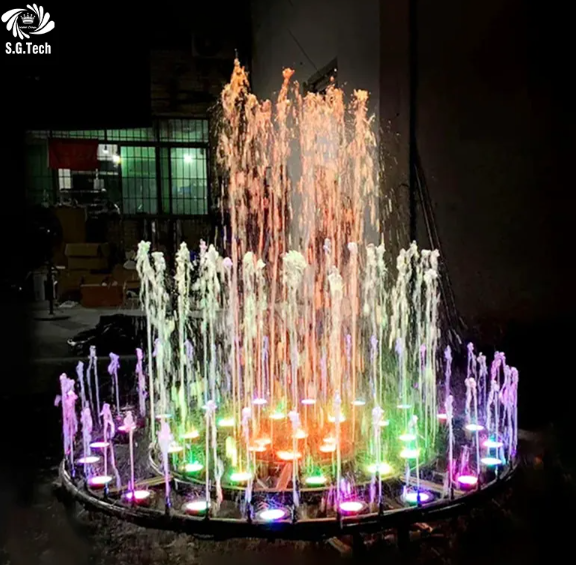
Aesthetic and Functional Benefits of Garden Water Fountains in Urban Spaces
Water features in public gardens have a remarkable way of turning dull, empty plazas into lively meeting places with both looks and real world perks. Just having running water around actually makes the air feel cooler too something studies show drops temps by about 5 degrees F near fountains according to research from the Urban Climate Institute back in 2023. Plus, the gentle splash helps drown out street noise by roughly 15 decibels. Take a look at what's happening in Barcelona where they've got those multi level fountains directing foot traffic naturally, or Singapore where similar designs create welcoming spaces for people to gather. The reasons cities keep building these installations? Let's just say there are plenty of good ones worth mentioning.
- Visual storytelling: Sculptural forms reflect local culture or history
- Microclimate regulation: Evaporative cooling counters urban heat islands
- Sensory engagement: Multisensory experiences increase space dwell time by 32% (Public Space Research Journal 2022)
Case Study: How Bethesda Fountain Enhances Public Engagement in Central Park
Central Park's Bethesda Fountain has been a fixture since 1873, showing just how water features bring people together in city spaces. The Angel of the Waters statue draws about 4 million folks each year, and according to a survey from NYC Parks last year, nearly seven out of ten visitors say they feel more relaxed hanging around this spot. The fountain's octagon shape makes it a natural gathering place for strangers to chat or families to meet up. The size works too – 86 feet across, which fits nicely with the big terrace next door. Maintenance staff actually notice something interesting happening during those summer concerts on the Bethesda Terrace nearby. Visitor numbers jump by over 200% per week when music is playing, making it one of the busiest times for the area.
Emerging Trend: Multifunctional Garden Water Fountains in Sustainable City Planning
Modern fountain designs are doing much more than just looking pretty these days. Take Rotterdam's Schouwburgplein fountain from 2022 as an example. This innovative installation does double duty by managing stormwater runoff while also providing fun play spaces for kids. The system filters around 15 thousand liters of rainwater each day, which then gets used for watering nearby plants. What makes this even better? Solar powered pumps cut down on electricity use by about two thirds when compared to regular systems. And those cool looking granite edges aren't just decorative either they actually serve as extra seating spots for people hanging out nearby according to a report in European Urban Design Review last year. Such multifunctional designs fit right into what the UN calls Sustainable Development Goal 11. They show how something as simple as a garden fountain can help fight against city floods, lower temperatures during hot summers, and at the same time boost community spirit.
Design Principles: Public vs. Private Garden Water Fountains
Scale, Proportion, and Visual Impact Relative to Public Site Size
City water fountains need much bigger spaces compared to what we see in backyards or gardens if they're going to stand out properly in public areas like parks or shopping center plazas. According to a recent study from ASLA, most landscape designers these days are turning to math-based approaches such as the famous Golden Ratio principle when creating those big fountain installations for communities. They want to get the right proportions so everything looks good next to buildings and other structures around them. On the flip side, people who install fountains at home usually go for something small enough to fit on tables or patios, maybe two or three feet high at most. Take a look at really large open spaces though, say anything over ten thousand square feet, and cities often opt for multi-level fountains similar to what we see in places like Barcelona's Canaletas Fountain. These taller structures, somewhere between fifteen and twenty feet high, manage to draw attention upwards without making folks feel crowded or uncomfortable walking past them.
Matching Garden Water Fountain Style with the Outdoor Environment
Harmonizing Fountain Design with Natural Surroundings and Vegetation
Getting water fountains right in gardens starts by paying attention to what's already there in nature. Forest settings work best with stone fountains that have rough, uneven edges since they look like real rocks sticking out of the ground. The desert tells a different story though. Here, clean lines and sharp shapes stand out nicely against all those spiky plants. When working near wetlands, shallow basins filled with small stones from nearby actually protect the existing ecosystem rather than messing it up. A recent study by the Urban Land Institute found something interesting too. About four out of five people surveyed preferred seeing fountains made from stuff found close by, within about 200 meters. Makes sense really. Materials from the area just blend better visually and cut down on transportation emissions as well.
Integrating Garden Water Fountains with Hardscape Elements and Public Infrastructure
Coordinate water features with surrounding pavers, retaining walls, and seating clusters through:
- Material continuity: Use matching stone or metal finishes across fountain coping and adjacent benches
- Spatial alignment: Position tiered fountains to mirror stairways or amphitheater seating radii
- Utility synchronization: Conceal pump rooms under existing staircases or within decorative plinths
Urban designers recommend sizing garden water fountains to occupy 15—20% of a plaza’s footprint—proportions that ensure visibility without impeding pedestrian circulation.
Modern Minimalism vs. Classical Ornamentation: Navigating Public Taste in Fountain Aesthetics
Recent municipal projects reveal shifting preferences:
| Style | Approval Rate* | Maintenance Cost | Adaptability |
|---|---|---|---|
| Neoclassical | 42% | High | Low |
| Abstract Modern | 68% | Medium | High |
| Nature-Inspired | 83% | Low | Medium |
*2023 Public Art Preference Survey (n=1,200)
Communities increasingly favor minimalist garden water fountain designs with clean lines and monochromatic materials, which adapt better to evolving urban contexts. However, historically designated districts still require ornamental motifs that align with architectural heritage.
Durable and Sustainable Materials for Long-Lasting Garden Water Fountains
Comparative Durability of Granite, Cast Iron, Fiberglass, and GFRC in Public Settings
Material selection directly impacts a garden water fountain’s lifespan in high-traffic public spaces. Below is a durability comparison of common materials:
| Material | Key Strengths | Maintenance Needs | Ideal Use Cases |
|---|---|---|---|
| Granite | Withstands freeze-thaw cycles | Annual sealing | Monumental installations |
| Cast Iron | 50+ year lifespan with coatings | Rust prevention every 3—5 years | Historic district projects |
| Fiberglass | Lightweight yet impact-resistant | UV-resistant paint renewal | Themed or mobile displays |
| GFRC | Mimics stone at 1/3 the weight | Crack inspection biannually | Detailed sculptural designs |
Granite remains unmatched for heavy-use plazas, while GFRC (Glass Fiber Reinforced Concrete) allows intricate designs without structural compromises.
Eco-Friendly Construction: Recycled Materials and Low-VOC Finishes in Garden Water Fountains
Leading manufacturers now incorporate 30—50% recycled content in cast iron and concrete fountains without sacrificing structural integrity. Low-VOC (Volatile Organic Compound) epoxy coatings reduce airborne toxins during application—essential for fountains near seating areas or playgrounds.
Climate-Resilient and Vandalism-Resistant Material Selection for High-Traffic Areas
Stainless steel components with IP68 waterproof ratings prevent corrosion in coastal environments, while textured granite surfaces deter graffiti. Tamper-proof fasteners and unbreakable LED lighting modules are increasingly integrated into fountain designs to address urban wear-and-tear challenges.
Low-Maintenance and Energy-Efficient Garden Water Fountain Solutions
Public spaces demand garden water fountains that balance visual appeal with practical efficiency. Modern designs now prioritize systems requiring minimal upkeep while maximizing energy savings—critical for reducing long-term operational costs and environmental impact.
Water Conservation Through Recirculating Systems and Smart Sensor Technology
The latest recirculating systems can actually filter and reuse around 90% of water, which means we're using about 60% less than older models did back in the day. These systems come equipped with smart sensors that tweak the water flow depending on what's going on around them right now. Think about things like how hot it gets outside or how many people are walking through the area. Take Phoenix for instance, where they installed these pressure controlled pumps in several city parks. The results? A massive reduction in water usage across those parks alone amounted to roughly 2.3 million gallons saved every year according to the Municipal Water Conservation Report from last year.
Solar-Powered Pumps and LED Lighting for Sustainable Operation
Going solar means no longer relying on the power grid, something many property owners are discovering these days. Modern solar panels can actually run water pumps for over ten hours each day, even when the sun isn't blazing bright. When combined with LED lights that eat up only a quarter of what traditional halogen bulbs consume, the savings start adding up fast. We're talking around $600 to $1,200 less spent on electricity every year just for fountain systems alone. Take San Francisco as an example – their recent street improvements showed utility expenses dropping by almost half once they switched to these hybrid solar and LED setups. Makes sense really, since nobody wants to pay extra for something that could be powered naturally instead.
Auto-Fill Valves and Self-Cleaning Nozzles: Reducing Maintenance in Public Installations
Self-regulating water level controls prevent overflow while compensating for evaporation, cutting maintenance visits by 70% in Chicago’s high-traffic plazas. Antimicrobial nozzles with Teflon coatings resist mineral buildup, extending service intervals to 18—24 months. Vandal-proof stainless-steel housings at Boston transit hubs reduced repair costs by $12,000 per unit over five years.
Table of Contents
- Aesthetic and Functional Benefits of Garden Water Fountains in Urban Spaces
- Design Principles: Public vs. Private Garden Water Fountains
- Matching Garden Water Fountain Style with the Outdoor Environment
- Durable and Sustainable Materials for Long-Lasting Garden Water Fountains
- Low-Maintenance and Energy-Efficient Garden Water Fountain Solutions