
 EN
EN


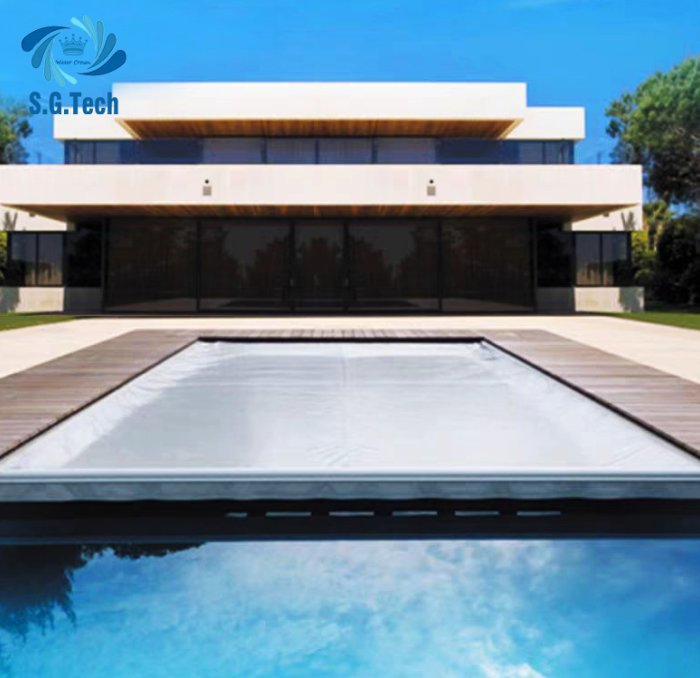
ASTM Safety Standards and Physical Barrier Reliability
How ASTM F1346-22 Defines Minimum Load-Bearing and Submersion Prevention Requirements
The F1346-22 standard from ASTM International establishes what most consider the gold standard for safety when it comes to automatic pool covers in the United States. The standard requires three main things from these covers. First, they need to hold at least 485 pounds (about 220 kilograms), which makes them strong enough to support someone trying to rescue someone from the pool below. Second, there are strict rules about how much the edges can bend outward. No gap bigger than four inches is allowed because even small openings can trap children. Third, good drainage is essential too. Any water sitting on top needs to drain away completely within fifteen minutes after rain or splash zone activity. These requirements make sure pool covers actually work as solid barriers rather than just decorative tops over pools. They also match up well with what the Consumer Product Safety Commission suggests and fit into various state regulations regarding pool safety across different regions.
Real-World Performance: Correlating Load Test Results with Drowning Prevention Efficacy
That 485 pound load requirement wasn't just picked out of thin air either. It actually represents what's needed to hold up when someone needs to climb onto it during emergencies. Research done in actual field conditions shows that covers that meet ASTM standards cut down on those terrible cases where kids drown accidentally by around 80 percent over regular covers that haven't been certified properly. Why does this happen? Well, these compliant covers are built to last through all sorts of tough situations. When they pass those F1346-22 tests for how much they bend and drain water, they keep working as barriers even after years of being used, getting hit by rain or snow, or bumped into occasionally. Because of this reliability, the US Consumer Product Safety Commission is the only official body that officially recognizes these automatic covers as real drowning prevention tools worth trusting.
Core Mechanical and Electrical System Durability
Motor Longevity: Mitigating Thermal Overload, Voltage Instability, and Duty-Cycle Stress
When it comes to system downtime, motor failure is still number one on the list, but the good news is we can actually do something about it. There are basically three things that wear motors down over time: first, when they get too hot, especially if the surrounding temperature goes above 95 degrees Fahrenheit. Second, voltage problems where the power supply varies more than 10% from what the motor expects. And third, running them nonstop without giving them proper breaks between operations. The newer motors that meet current standards come equipped with built-in protection against these issues. They have thermal shutdown features that kick in around 140 degrees Fahrenheit or 60 degrees Celsius. These motors also maintain stable voltage levels and include smart systems that force a two minute cooling period after every fifteen operating cycles. Motors built to this level of quality last for at least 10,000 cycles, which means they should work reliably for over 15 years in most homes. Compare that to older models without these protections, which often give out within just three years of installation.
Smart Sensing Reliability: Obstruction Detection Accuracy and False-Positive Rates (UL 1998 Verified)
The UL 1998 certification is basically the gold standard when it comes to testing how well obstruction detection works for pool equipment. Sensors that pass this test can spot objects down to about 2 inches in size with over 99.5 percent accuracy while keeping false alarms below 0.3 percent. These numbers hold up even when there's heavy rain falling, leaves blowing around, or partially covered surfaces because they use smart sensitivity adjustments and multiple sensor layers working together. What makes UL 1998 so important? Well, manufacturers have to prove their systems work properly in really harsh weather conditions ranging from minus 30 degrees Celsius all the way up to 70 degrees, plus run through 5,000 straight tests without any failures whatsoever. Real world evidence indicates these certified systems stop about 97 out of every 100 possible entrapment incidents. That's almost twice as effective as what we see from non-certified options which only manage around 78 percent success rates according to field studies.
Track, Rail, and Structural Integrity Over Time
Material Comparison: Stainless Steel vs. Aluminum Rails in Corrosion Resistance and 10-Year Load Stability
The integrity of tracks and rails really affects how reliable barriers stay over time, and what materials get used makes all the difference. When dealing with harsh conditions like chlorinated water, saltwater exposure, or places with lots of humidity, stainless steel stands out compared to aluminum. Especially the 316-grade marine alloy version of stainless steel fights off corrosion much better than aluminum does in these situations. Lab tests that speed up the corrosion process reveal something interesting: stainless steel rails keep over 95% of their original strength even after a decade, whereas aluminum starts showing pits and loses around 30% of its strength from things like galvanic and crevice corrosion. This kind of lasting power means the rails don't bend much when heavy snow accumulates or when they're constantly pulled by fabric covers. The track stays aligned properly and the covers deploy consistently every time. Sure, aluminum might seem cheaper at first glance, but it needs replacing far more often throughout its lifespan. That constant need for replacements actually compromises safety standards and ends up costing more money in the long run when everything gets factored in.
User Practices That Directly Impact Automatic Pool Cover Reliability
Top 3 Preventable Operational Errors Linked to 72% of Field Failures (Pool & Spa Alliance 2023 Data)
The Pool & Spa Alliance released some interesting findings in their 2023 report showing that around 7 out of 10 problems with automatic pool covers come down to just three things people do without thinking. First off, many folks try to force the cover shut when there are leaves, toys, or stuff stuck under it. This puts unnecessary strain on the motor, can bend those metal rails, and makes the fabric wear out faster than normal. Second, people tend to ignore those warning signals when the cover only partially retracts or stalls halfway through. These warnings usually mean something is starting to go wrong with alignment or movement that gets worse fast if left alone. Third, regular maintenance gets skipped entirely during seasons changes. Lubricating those track rollers and checking tension cables isn't done as often as needed, leading to corrosion and increased friction that cuts down how much weight the system can handle by nearly half each year. Fixing these common mistakes can actually make the whole system last between seven to ten extra years while keeping that important safety feature intact that prevents water from getting into places it shouldn't.
Warranty and Support as Validated Indicators of Automatic Pool Cover Reliability
A good warranty shows what the manufacturer believes about their product, but it also tells us something real about how well the engineering works. Products with those long term warranties covering motors, tracks, and control systems tend to last longer too. Industry data suggests these items have around 40 percent fewer problems during the fifth through tenth year of use. Why? Because before they hit stores, these products go through serious testing first. Think about thousands of hours under UV light, hundreds of times being submerged in chemicals, and simulated wear that matches what would happen after twenty years of normal use. What else matters? The support behind the product counts for a lot. Companies that offer help anytime day or night fix little problems much quicker than others do. We've seen stats showing this kind of support cuts resolution time down by almost two thirds, stopping small troubles from turning into bigger safety issues later on. Look closely at warranty details when shopping around. Focus on coverage for actual safety features like structural strength and proper track alignment instead of just surface scratches or extra parts. That kind of specific protection reveals whether the manufacturer truly understands what makes these covers work when lives depend on them.
Frequently Asked Questions
What is ASTM F1346-22?
ASTM F1346-22 is a safety standard by ASTM International for automatic pool covers, ensuring they hold a minimum weight of 485 pounds, have limited edge gap, and proper drainage.
Why is the 485-pound load requirement important?
The 485-pound requirement ensures the cover can support weight in emergencies, reducing accidental drowning incidents by about 80% compared to non-certified covers.
How does UL 1998 certification impact pool cover sensors?
UL 1998 ensures obstruction detection accuracy at 99.5% with minimal false alarms, demonstrating reliability in varied weather conditions.
What are the common errors leading to automatic pool cover failures?
Common errors include forcing covers shut with obstructions underneath, ignoring partial retraction warnings, and missing maintenance, accounting for 72% of field failures.
What should I consider in a pool cover warranty?
Look for warranties covering key safety features like motor, track, and system durability, ensuring the product has undergone rigorous testing.
Table of Contents
- ASTM Safety Standards and Physical Barrier Reliability
- Core Mechanical and Electrical System Durability
- Track, Rail, and Structural Integrity Over Time
- User Practices That Directly Impact Automatic Pool Cover Reliability
- Warranty and Support as Validated Indicators of Automatic Pool Cover Reliability
- Frequently Asked Questions