
 EN
EN


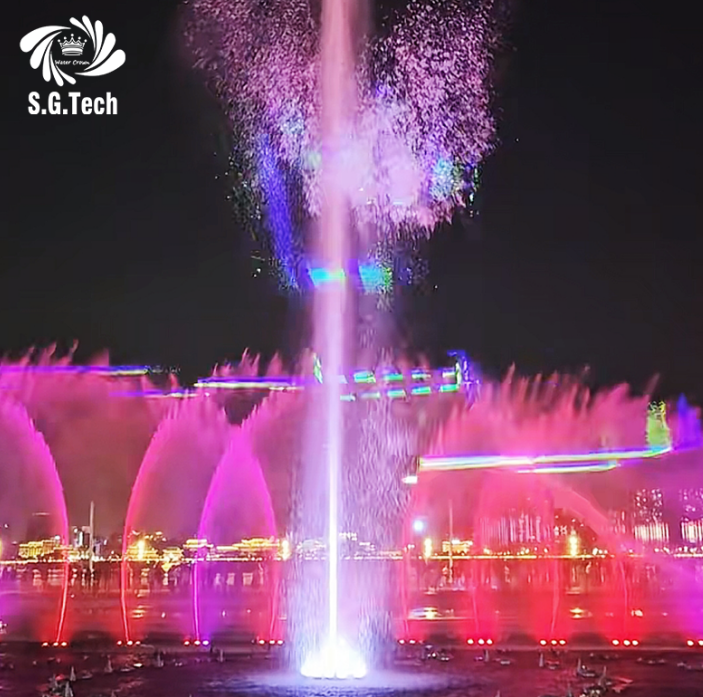
The Four Core Cost Drivers of Commercial Music Fountains
Hydraulics: Pumps, Nozzles, and Water Management Systems
The hydraulic system is basically what makes commercial music fountains work their magic, and it typically eats up between 35 to 50 percent of the whole installation budget. These systems need powerful pumps that can control water flow exactly right, working hand in glove with special nozzles that create those amazing water displays synced to music. Everything that touches water has to be made from stuff that won't rust or corrode after years of being submerged, which is why most good installations use 316L grade stainless steel parts. Managing the water itself is another big challenge. Most setups include several stages of filtration, careful pH adjustments, and recycling systems that keep the water circulating rather than just draining away. Without proper maintenance, minerals build up over time and cloud the water while also wearing down expensive components faster than expected. Nowadays, variable frequency drives have become pretty much mandatory for any project claiming to be green friendly. They cut down on electricity usage by around 40% compared to older fixed speed motors, making them a smart choice both environmentally and economically.
Lighting: IP68-Rated LEDs, Cabling, and Corrosion-Resistant Fixtures
Lighting under water takes up roughly 20 to 30 percent of what gets spent on music fountains overall. For any installation below the surface, getting those IP68 rated LED lights is basically mandatory if they want anything to last. Most good quality underwater lights come with military spec silicone seals and either titanium or special marine grade aluminum casings so they don't rust away when sitting in pool chemicals or seawater. The cables that run beneath the water are built way beyond regular waterproof standards too, usually having two layers of protection plus some kind of epoxy coating to stop electrolysis from eating them out. When designers want color changing effects, expect to pay an extra 15 to 25 percent just for that feature alone. And creating specific light patterns means investing in reflectors designed using computer models for accuracy. Keeping things cool down there matters a lot because it maintains consistent brightness levels throughout the years. Manufacturers claim these LEDs can last well past 50 thousand hours, which makes sense considering each unit costs between five hundred and eight hundred dollars to replace, not to mention how hard it is to get divers down there for repairs anyway.
Controls: PLC vs. DMX Architecture and Real-Time Synchronization Needs
The control system typically makes up between 15 to 25 percent of what gets spent on music fountains, and this decision about which architecture to choose can have lasting effects down the road. PLCs, those Programmable Logic Controllers, are known for their industrial strength reliability and precise timing control that's really important for places where everything needs to work perfectly. But they do come at a price tag that's around 30 to 50 percent higher than DMX based systems. Getting all the water jets, lights, and music synchronized in real time requires extremely accurate timing stamps below 10 milliseconds. This kind of precision is only possible with fiber optic connections and servos that can handle fine details. Adding redundant processors to the mix will push initial costs up by about 20 to 35 percent, but it removes those dangerous single point failures that could ruin an event. These days, new AI powered software for shows lets operators make automatic adjustments based on things like wind speed or humidity levels in the air. This cuts down on the need for manual tweaking by roughly two thirds while still keeping the artistic quality consistent and protecting the mechanical components from damage.
Operations & Maintenance: Energy, Water Treatment, and Predictive Service Contracts
The ongoing costs for running a music fountain eat up around 60 to 70 percent of what it will cost over twenty years total. Even when using energy efficient pumps, they still pull between fifteen and forty kilowatts every hour it runs. Then there are those UV water treatment systems needing new filters every three months at prices ranging from two hundred to five hundred dollars each time. Predictive maintenance packages usually run somewhere between eight thousand and fifteen thousand bucks a year, but they're worth every penny because they stop major breakdowns that mess up scheduled performances and hurt the venue's reputation. Leak detection systems integrated into the design can cut down on wasted water by as much as ninety percent, which means fewer headaches with city water bills and better environmental stats too. Putting all these things together keeps the fountain sounding great and looking impressive without those annoying surprise repair calls coming out of nowhere.
How Project Scale and Venue Type Impact Music Fountain Budgets
The size of a project and where it's located really determines how much money gets invested in commercial music fountains. Big installations in public spaces like city squares or parks usually need hundreds of nozzles, heavy duty hydraulic systems, and complicated control networks that can push the price tag anywhere from $100k all the way up to a million dollars. Public areas require tough infrastructure since people are constantly using them, which means higher operating costs because of bigger water treatment needs, more electricity usage (around 15 to 30 percent of total costs over time), and having to hire specialists for maintenance. On the flip side, smaller setups found in shopping centers or luxury hotels generally cost between $10k and $50k. These focus more on dependable performance, themed water shows, and blending in subtly rather than going for massive scale. Different locations affect budgets in various ways too. City projects come with extra costs for meeting safety standards, installing anti-vandal equipment, and getting proper insurance coverage. Meanwhile businesses tend to spend on cool interactive elements like water displays triggered by movement or apps that let visitors control the fountain themselves, which keeps customers hanging around longer and boosts brand recognition. Worth noting is that fountains in hotel courtyards actually use about 40 to 60 percent less energy compared to similar sized ones downtown mainly because they run less frequently, have smaller pumps, and don't compete with bright street lights.
Capital vs. Lifecycle Cost Tradeoffs in Music Fountain Investment
Upfront Savings vs. Long-Term O&M: Stainless Steel Nozzles and Premium LEDs
Picking cheaper nozzles or basic lighting might look like saving money upfront, but often leads to bigger problems down the road. Stainless steel nozzles last around three times longer against mineral deposits and rust compared to regular metal ones, which means replacing them happens about 40 percent less often according to WaterTech Review from last year. The same goes for LED lights with IP68 ratings too. These bad boys can run for well over 50,000 hours, twice as long as cheap alternatives on the market. That cuts down on how many times workers need to climb ladders to change bulbs and stops production halts during replacements. Sure, better quality parts do cost more initially, maybe 15 to 25% extra, but when looking at everything involved in running operations over time, these investments actually save money in the long haul.
- Excess chemical usage from clogged nozzles
- Energy waste caused by voltage creep in degraded fixtures
- Emergency service calls triggered by corrosion-related failures
Custom Programming and AI-Driven Show Scheduling: ROI in Labor and Downtime Reduction
When it comes to show scheduling, AI optimization brings real returns on investment. The benefits go well beyond just cutting down on staff hours though. We're talking about better revenue stability and keeping the guest experience consistent too. Let's face it, traditional manual programming takes a ton of time each week – somewhere between 8 to 12 hours for things like adjusting schedules seasonally, overriding weather issues, and coordinating events. With AI platforms, all those calendar syncs, sensor readings, and live weather updates happen automatically. This cuts down on annual programming work by around 70%, which adds up fast. And there's more. These systems actually spot problems with pumps before they fail completely, reducing unexpected downtime by about 55% according to Facility Management Journal from last year. But wait, there's something else going on here too. All these efficiency improvements create additional value in ways we might not even expect at first glance.
- A 22% increase in visitor retention linked to dynamic, context-aware show formats
- 65% faster repair windows enabled by remote diagnostics and pre-emptive parts dispatch
- 18% reduction in power consumption via intelligent runtime optimization and load shedding