
 EN
EN


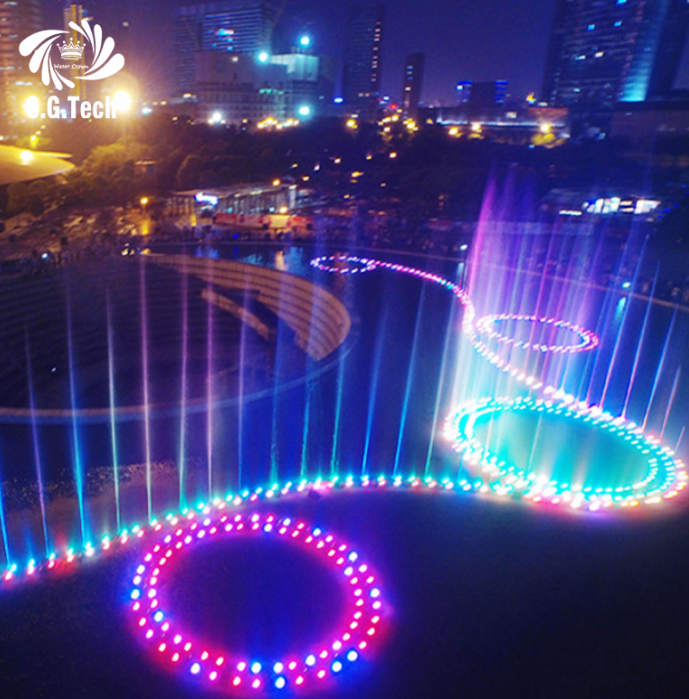
The Science Behind Music Fountain Synchronization
How Sound Waves Translate into Hydraulic Motion
Synchronizing music fountains starts when microphones pick up the sounds around them. These audio signals then get sent to what's called a Programmable Logic Controller, or PLC for short. What happens next is pretty cool - the PLC takes those sound waves and turns them into digital instructions that tell the hydraulic valves and pumps exactly what to do. Basically, it adjusts the water pressure and flow in real time depending on how intense the music gets at any given moment. This whole system works because of something called Pascal's Law. When pressure is applied to a liquid that can't be compressed, it spreads out evenly throughout the fluid. That makes it possible to control how high and fast the water jets come out with amazing precision. Take a really loud bass note at 120 decibels for example. Within just 50 milliseconds after hearing that sound, solenoid valves kick in and send water shooting up to about 15 meters high. Some top notch systems can actually respond even faster than that, sometimes as quick as plus or minus 10 milliseconds between when they hear a sound and when the water reacts. This means big musical swells make bigger water displays, while short, staccato notes create sudden bursts of water that look almost like fireworks going off in the air.
Why Frequency Band Mapping Outperforms Simple Beat Detection
The basic approach to beat detection just turns on pumps when it detects rhythm peaks, which really limits how expressive the system can be. Frequency band mapping works differently though. It looks at all parts of the music spectrum thanks to something called FFT algorithms, then matches different fountain features to specific sound frequencies. Think about it this way: lower frequencies between 20 and 250 Hz control those big geysers and shooters we see, midrange sounds from around 250 Hz up to 2 kHz handle medium height jets and water curtains, and those high treble notes above 2 kHz make the mist nozzles and tiny sprays dance. What makes this so cool is how it creates layers of water movement that mirror real orchestra sections too. Cellos might create those sweeping low arcs while piccolos bring life to those delicate wisps of water floating in the air. Plus, it helps block out background noise by focusing only on relevant frequencies. When systems use this technique, they hit around 92% accuracy in syncing with the music, compared to just 67% with simple beat detection methods. That means emotional moments in music actually show up visually as intended. Like when a gentle violin solo slowly raises a curtain of water, it happens consistently because the system understands what part of the music needs to be highlighted.
Real-Time Audio Processing for Precise Music Fountain Choreography
FFT Analysis and Onset Detection for Tempo-Accurate Timing
The Fast Fourier Transform or FFT breaks down audio signals into their basic frequency components, showing details like melodies, harmonies, and instrument layers that simple volume measurements just can't catch. Alongside this, special algorithms called onset detectors pinpoint those exact moments when sounds start up, like the instant a drum is struck or a piano key pressed. This helps control pumps and valves with remarkable accuracy, usually within about 50 milliseconds either way. Traditional systems based only on volume levels fall short here. By combining both frequency analysis and timing information, these systems stay synchronized even when dealing with complicated music arrangements where strings and percussion overlap. The actual processing happens in small chunks of sound lasting between 20 to 50 milliseconds. These tiny slices get converted into specific hydraulic instructions. For instance, an ascending cello melody might speed up several nozzles at once, whereas the rolling rhythm of timpani drums adjusts pressure differences throughout different ring-shaped areas of the system.
Translating Musical Dynamics into Water Effects
The dynamic mapping system takes musical expressions and turns them right into hydraulic actions. When there's a crescendo, all those nozzles start rising together, and the water flow gets bigger as the music gets louder. For staccato parts, fast solenoids kick in, creating short bursts of water about 200 milliseconds long that match the timing of sixteenth notes. Chorus sections bring everything together at once. Mist swirls around like background vocals while main jets spray water whenever chords change. Take a piano arpeggio for instance. Each note triggers a separate stream of water climbing upward, perfectly timed so each jet fires when the corresponding note starts, reaches its pitch, then fades away just like the sound does. What we end up with is something pretty amazing: music translated into water movements that actually make sense to our senses.
Professional Music Fountain Software and Controller Ecosystems
Depence by Syncronorm vs. AquaVision vs. Open-Source Python Controllers
The choice of control system makes all the difference when it comes to translating sound waves into water movement in musical fountains. Take Depence from Syncronorm as an example. This commercial platform brings top notch 3D simulation capabilities along with timeline programming features and solid MIDI/ArtNet support. These kinds of systems work best for big installations where multiple cues need to be synchronized with lights across different parts of the fountain. AquaVision takes a different approach altogether. The software focuses on making things easier for people who might not have advanced tech skills. With simple drag and drop sequencing plus ready made effects collections, shows get created much faster than traditional methods allow. When budgets are tight or when someone wants to experiment, there's always the option of open source Python controllers. Many hobbyists build these on Raspberry Pi hardware using tools such as PyAudio and FluidSynth. They let users code every detail down to when jets fire, how pressure changes over time, and even response patterns for LEDs. Such flexibility proves particularly useful during live performances or when developing new prototypes in research settings.
| System Type | Key Strengths | Implementation Complexity |
|---|---|---|
| Depence (Syncronorm) | Real-time 3D visualization, professional lighting integration | High (requires formal training) |
| AquaVision | Prebuilt effects, intuitive sequencing | Medium |
| Python Controllers | Unlimited customization, cost-effective | Very high (advanced coding skills required) |
Commercial systems come with solid tech support, built-in safety nets, and can scale up as needed something absolutely essential for places like theme parks where installations often cost half a million dollars and need to work flawlessly every day. Meanwhile, open source options tend to show up more frequently in research environments and creative projects involving interactive art. The Entertainment Engineering Lab found that when professionals back the system, they see about a 40 percent drop in coding mistakes during complicated productions with multiple components running simultaneously. Looking at different setups? Make sure the control system matches what the project actually needs. A simple water feature in a city square requires completely different hardware than an elaborate light display responding to crowd movements in a public space.
End-to-End Music Fountain Choreography Workflow
Putting together those amazing synchronized water fountain shows involves following a pretty specific process that balances both the science side and the creative vision. The first step usually starts with running the music through some special software that breaks down all sorts of elements from the track. We're talking about things like how loud or soft different parts get, where the beats fall, and even those moments when the music swells up or takes a breath. Once we have all this data mapped out, designers start connecting it to what happens with the water itself. They figure out exactly how high each jet should spray, at what angle the nozzles need to point, how much water flows through them, and when lights should flash or change color. All these decisions happen through control panels that let operators fine tune everything for maximum impact during the performance.
When setting up the system, engineers work on adjusting pump pressure curves along with how solenoids respond. They set those 200 millisecond actuators for sharp, quick movements similar to staccato notes in music, whereas they adjust slower arcs for smoother transitions akin to legato playing. After all this setup, there's plenty of testing done through 3D simulation programs. These simulations check if everything moves safely, whether water effects match lighting cues properly, and if any parts might bump into each other during operation before actually installing anything physically. Technicians then run live tests where they tweak things such as how thick the mist gets, how fast lights dim down, and how water jets spread out across the space. All these adjustments help create that seamless experience where sounds, movements, and lights feel connected rather than separate elements working against one another.
This methodical integration ensures every dancing fountain transforms complex audio input not just into synchronized movement, but into fluid, emotionally resonant visual poetry.